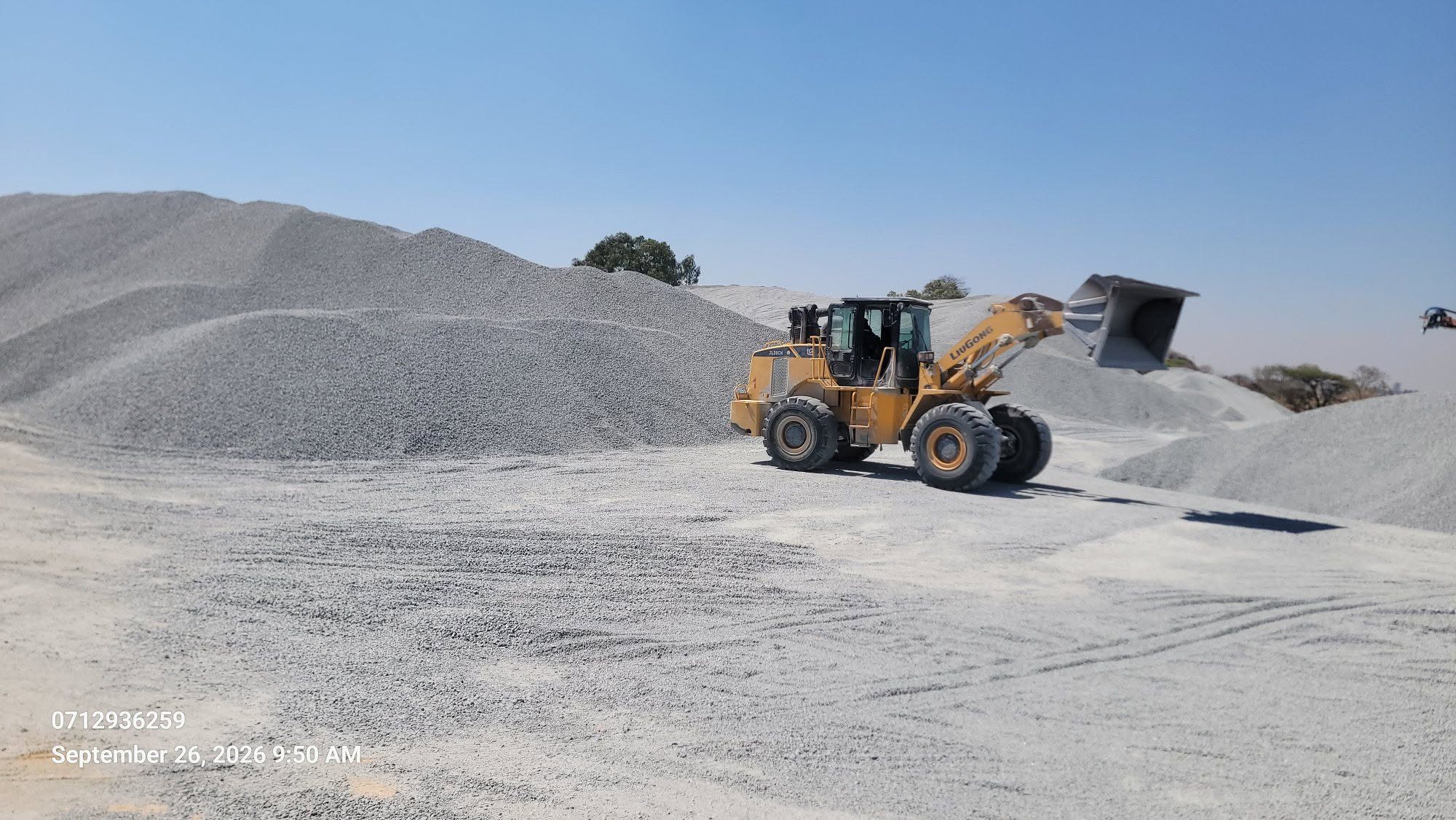
Behind every concrete slab, column and paved driveway in Zimbabwe is an ingredient that rarely gets a mention: crushed stone. The 19mm size, commonly known as “19mm stone” or “quarter-inch” aggregate in the trade, is among the most widely used in the country’s building industry, and builders say its quality can make or break a project.
What it is and why it matters
Aggregate is crushed rock, usually granite or dolerite in Zimbabwe, screened into standard sizes. The 19mm grade is coarse enough to give concrete strength and bulk, yet small enough to flow around steel reinforcement and into formwork without leaving gaps. That balance makes it the go-to choice for structural concrete, including foundations, floor slabs, beams, columns and suspended slabs.
In a concrete mix, the stone forms the skeleton. Cement paste binds it together, and sand fills the spaces in between. Because aggregate typically makes up the largest share of a mix by volume, poor-quality stone can weaken the whole structure, however good the cement is.
Beyond the mixer
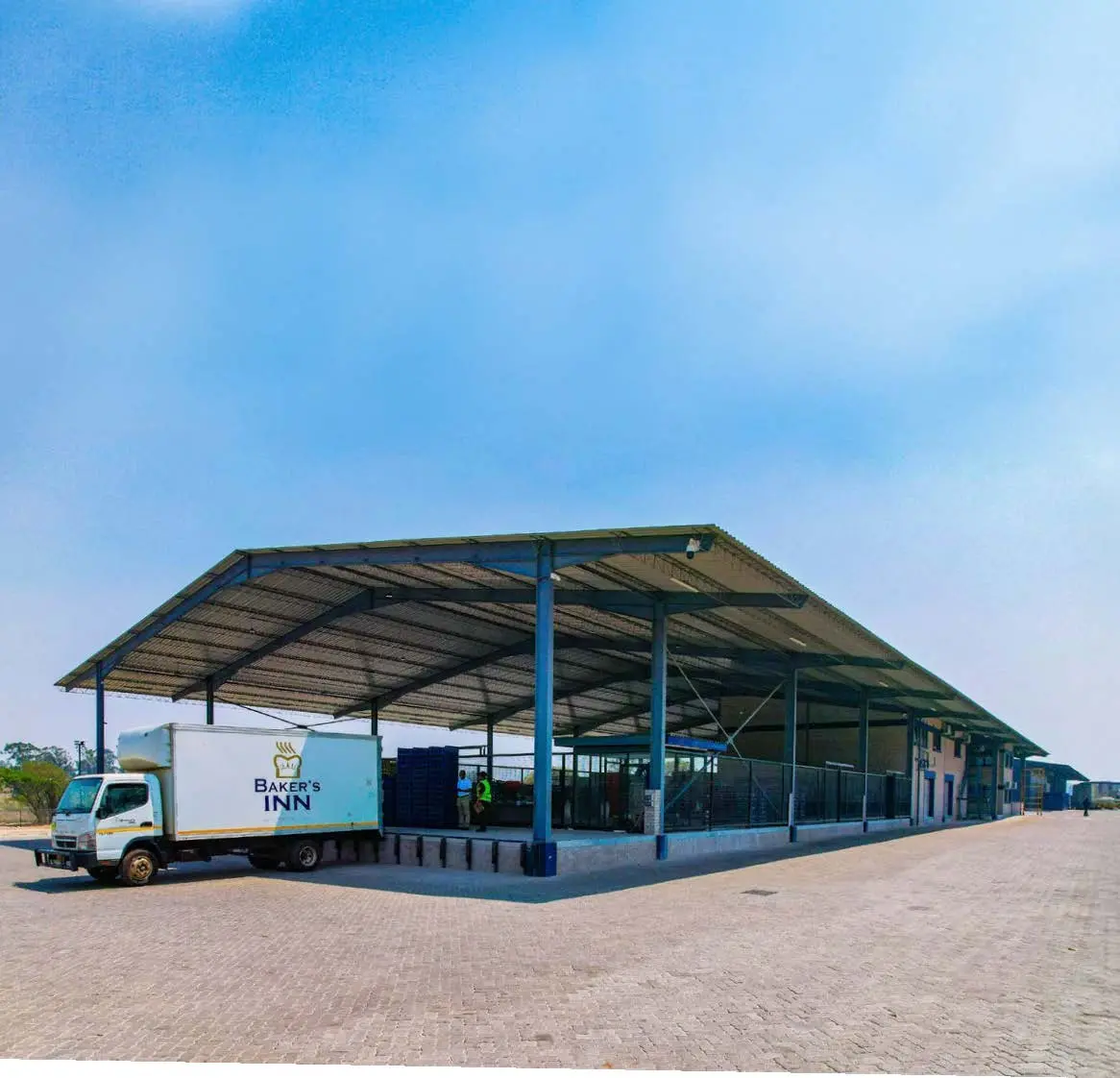
The stone’s uses extend well past concrete. Contractors use 19mm aggregate as a bedding and sub-base layer under interlocking paving, a common sight in Harare’s commercial forecourts and residential driveways. It also serves as drainage material around pipes, soakaways and retaining walls, where its gaps let water move freely and keep pressure off structures.
Builders also use it in precast products such as Durawalls, slabs and kerbs, where consistent stone size helps produce uniform, strong components.
Quality is the key
Industry practitioners stress that not all stone is equal. Good aggregate should be clean, hard and properly graded. Dust, clay or soft material coating the stone weakens the bond with cement, while too many flaky or elongated pieces make a mix harder to compact.
For that reason, buyers should source stone from reputable quarries and inspect deliveries before accepting them. For larger jobs, testing for strength and grading is a sensible investment. Storing aggregate on a clean, hard surface also stops it picking up soil and debris on site.
Supporting local building
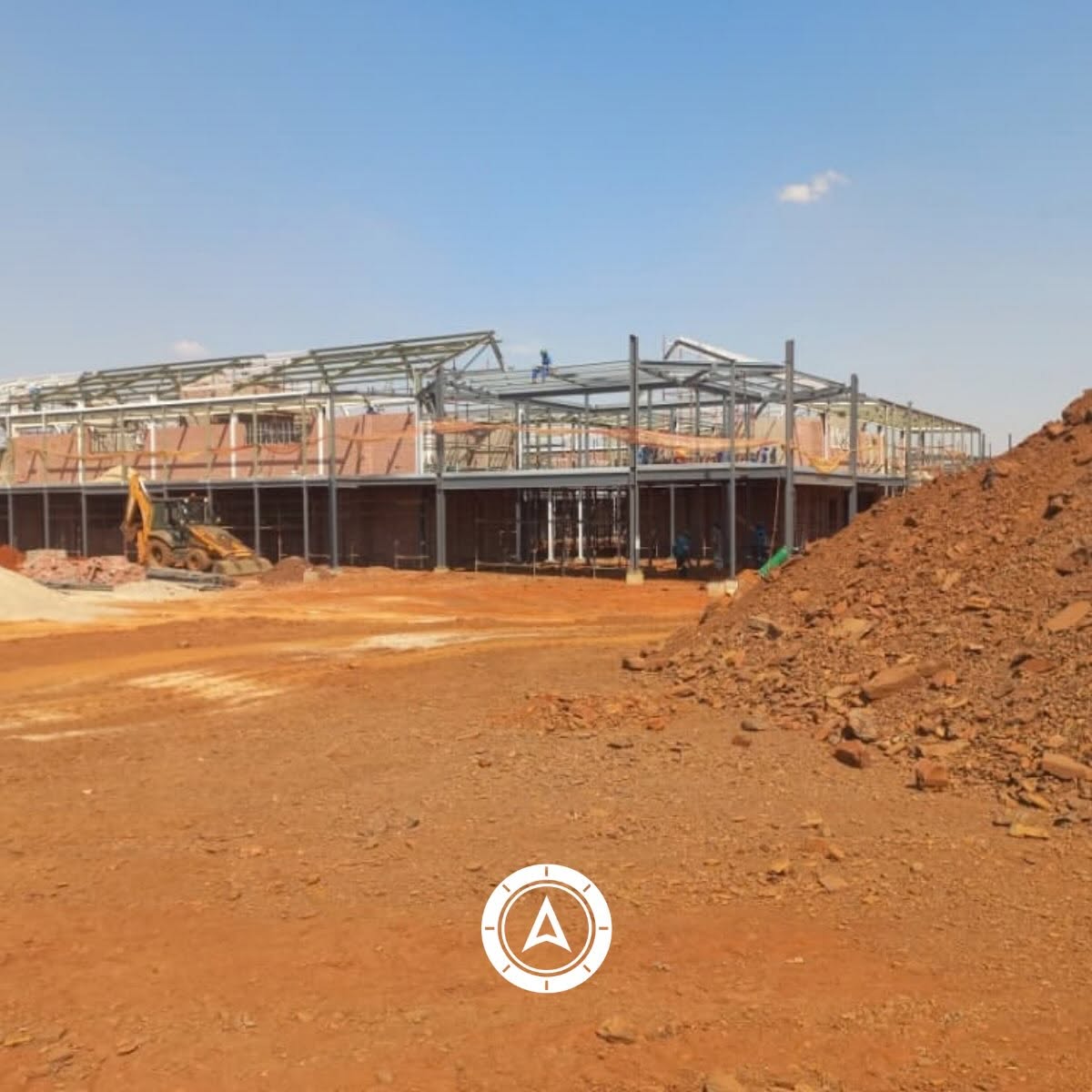
With housing, commercial and infrastructure projects continuing across Harare and other centres, demand for dependable aggregate stays steady. Local quarries supply much of the stone, which keeps a basic building material close to where it is needed and supports jobs along the supply chain.
For homeowners and developers alike, the lesson is simple: the strength of a building starts with its smallest components. Choosing clean, well-graded 19mm stone is one of the easiest ways to protect a construction investment.
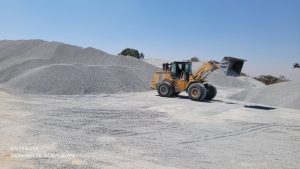
Image: M.A.C Building Materials Supplies