Anyone who has built a house, school or clinic in Africa knows the problems: power that comes and goes, cement that costs too much, and materials that travel a long way to reach the site. Hydraform International says its building system was designed for those conditions rather than adapted to them.
“Building in Africa comes with challenges no imported system was designed for,” the company says. “The Hydraform system was built here, for exactly that.”
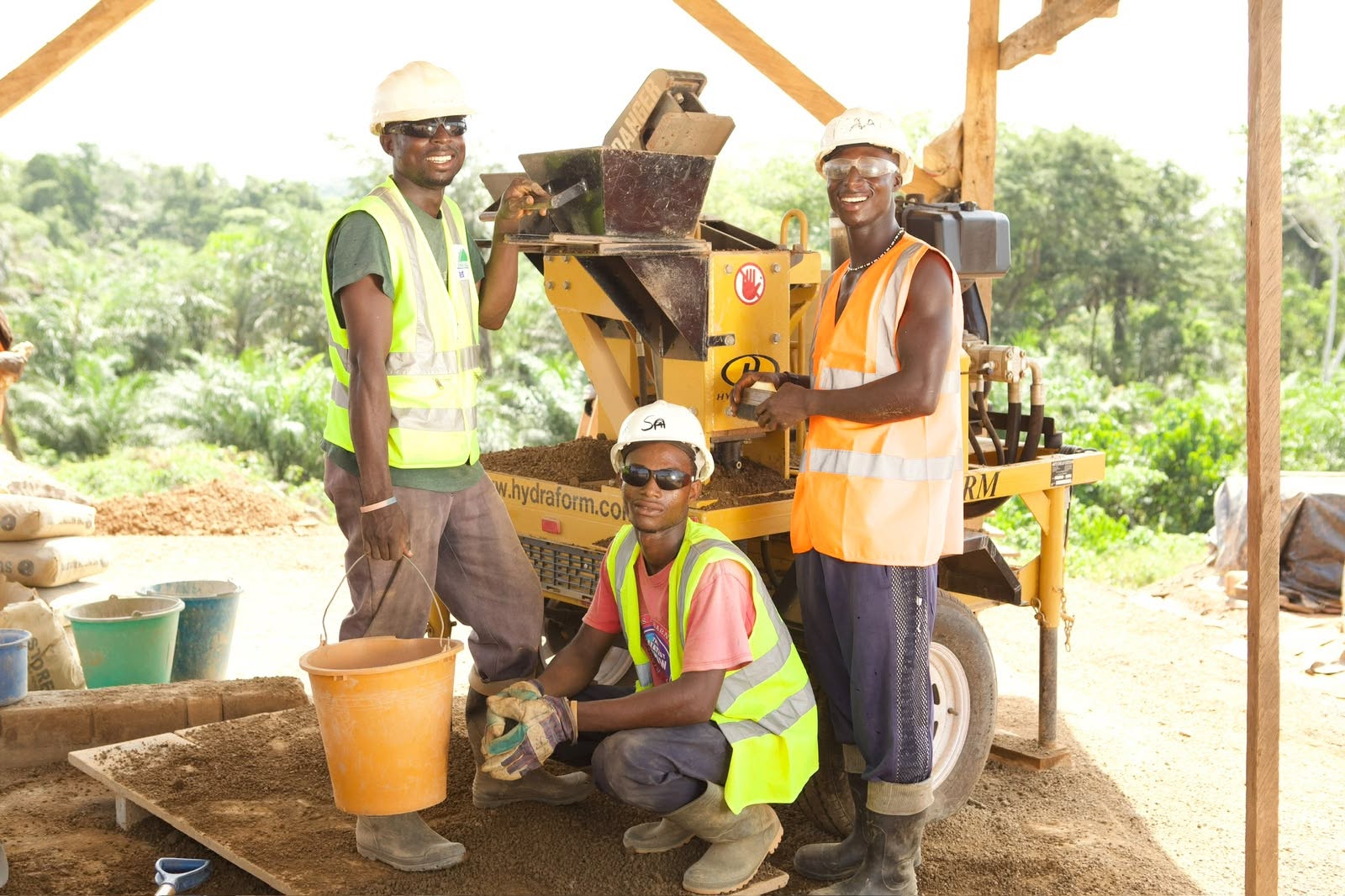
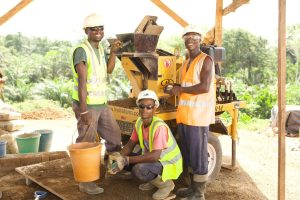
At the centre of the system is a block-making machine that can run on diesel or electricity. That flexibility matters on sites far from reliable mains power, where a project would otherwise stall. A builder with a diesel-powered machine can start producing blocks wherever the work is, without waiting for a grid connection.
The blocks themselves are interlocking and laid dry-stack, so they fit together with minimal mortar. Mortar means cement, and cement is often the most expensive and hardest item to source. Using less of it lowers costs, and the interlocking design also speeds up construction because walls go up faster than with conventional bricklaying.
Hydraform offers several machine and block types, so the system can be matched to the size of a project. A family building a single home and a contractor working on a larger development can both find equipment that suits them, rather than having to buy more capacity than they need or settle for less than they require.
Training is part of the package. The company provides instruction on how to operate the machines and how to build with the blocks. Equipment is only as useful as the people who run it, and training helps new operators produce consistent blocks and sound walls, which is especially valuable for small builders and community projects that are new to the technology.
The company describes the offering as one system “from soil to structure,” meaning that the same approach covers everything from making the blocks to putting up the finished building. For builders who have struggled to coordinate suppliers, equipment and skills, a single source for all three is a practical advantage.
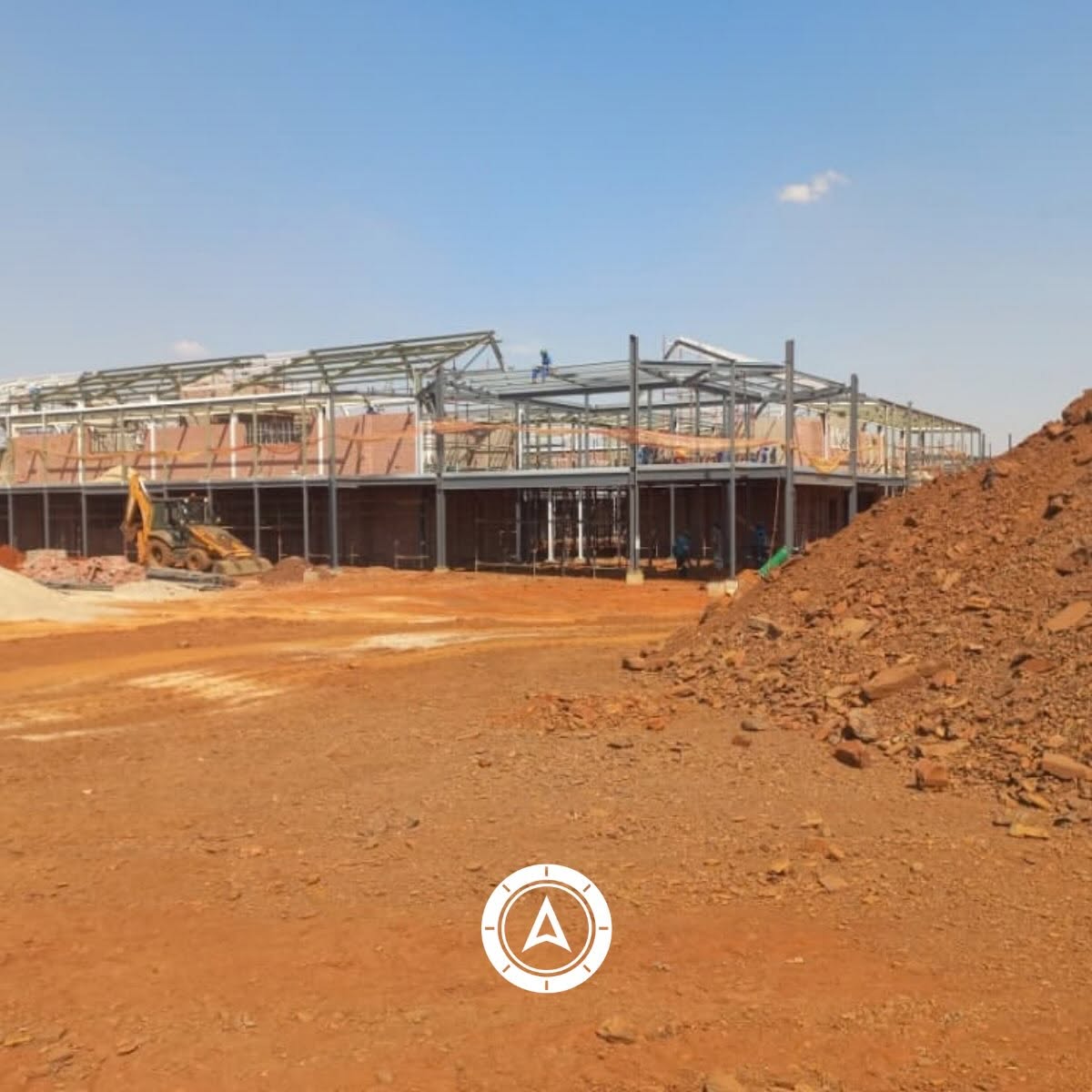
The appeal is clear for housing, schools, clinics and commercial buildings across the continent, where demand for affordable construction is high and conventional supply chains are often stretched. A system that works off-grid, uses less cement and can be taught quickly lets builders in remote and fast-growing areas put up solid structures sooner.
Hydraform is inviting builders, developers and community organisations to get in touch to discuss their projects.