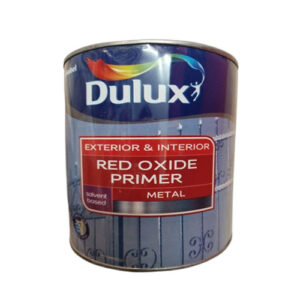
Rust is the quietest thief in the world of infrastructure and design. It does not announce its arrival with a crash; instead, it creeps across iron and steel surfaces in a slow, chemical crawl, gradually stripping away both aesthetic brilliance and structural resolve.
What begins as a microscopic speck of oxidation can quickly evolve into a flaking, orange-hued crust that compromises the safety of a bridge or the elegance of a wrought-iron gate. To combat this inevitable natural decay, industry experts and DIY enthusiasts alike rely on a foundational hero: Red Oxide Primer.
The primary challenge with metal is its inherent reactivity to the environment. When untreated iron or steel is exposed to oxygen and moisture, a chemical reaction occurs that breaks down the metal at a molecular level. This process is not just an eyesore; it is a structural liability.
Red Oxide Primer serves as the first line of defense, acting as a specialized coating that seals the metal’s pores and prevents corrosive elements from gaining a foothold. By creating a non-porous, airtight barrier, the primer ensures that the metal remains isolated from the humid air or rain that would otherwise trigger its decline.
Beyond mere protection, the role of this primer is deeply rooted in preparation. A common mistake in metalwork is applying a decorative topcoat directly onto a raw surface. Without a primer, paint often struggles to adhere to smooth metal, leading to peeling, bubbling, and an uneven finish.
Red Oxide Primer is formulated with a unique “tooth” that grips the metal surface while providing a slightly textured base for the final paint to cling to. This dual-action bonding ensures that the finished product looks professional and remains durable for years, significantly extending the maintenance cycle of the project.
Furthermore, the distinct pigment of the primer is more than just traditional styling. The iron oxide within the formula provides an extra layer of UV resistance and chemical stability. Because it is highly opaque, it covers imperfections and provides a uniform color base that allows the final decorative coat to pop with its intended vibrancy.
Whether it is being used on heavy industrial machinery, backyard fencing, or automotive restoration, the application of this dependable base is the single most important step in the painting process. It transforms a vulnerable surface into a resilient one, proving that the strength of any finish is entirely dependent on the foundation laid beneath it.