

Zimbabwean property analyst Kura Chihota has issued a public reminder to land buyers: purchasing a piece of land does not automatically grant unrestricted rights to build across its entirety, due to legal mechanisms known as servitudes that can quietly limit how a property is used.
In a post on X, Chihota warned that buying 10,000 square metres doesn’t mean the entire area can be developed, pointing to servitudes as rights of access or restrictions imposed over land that may not be visible to an untrained eye during a routine site visit.
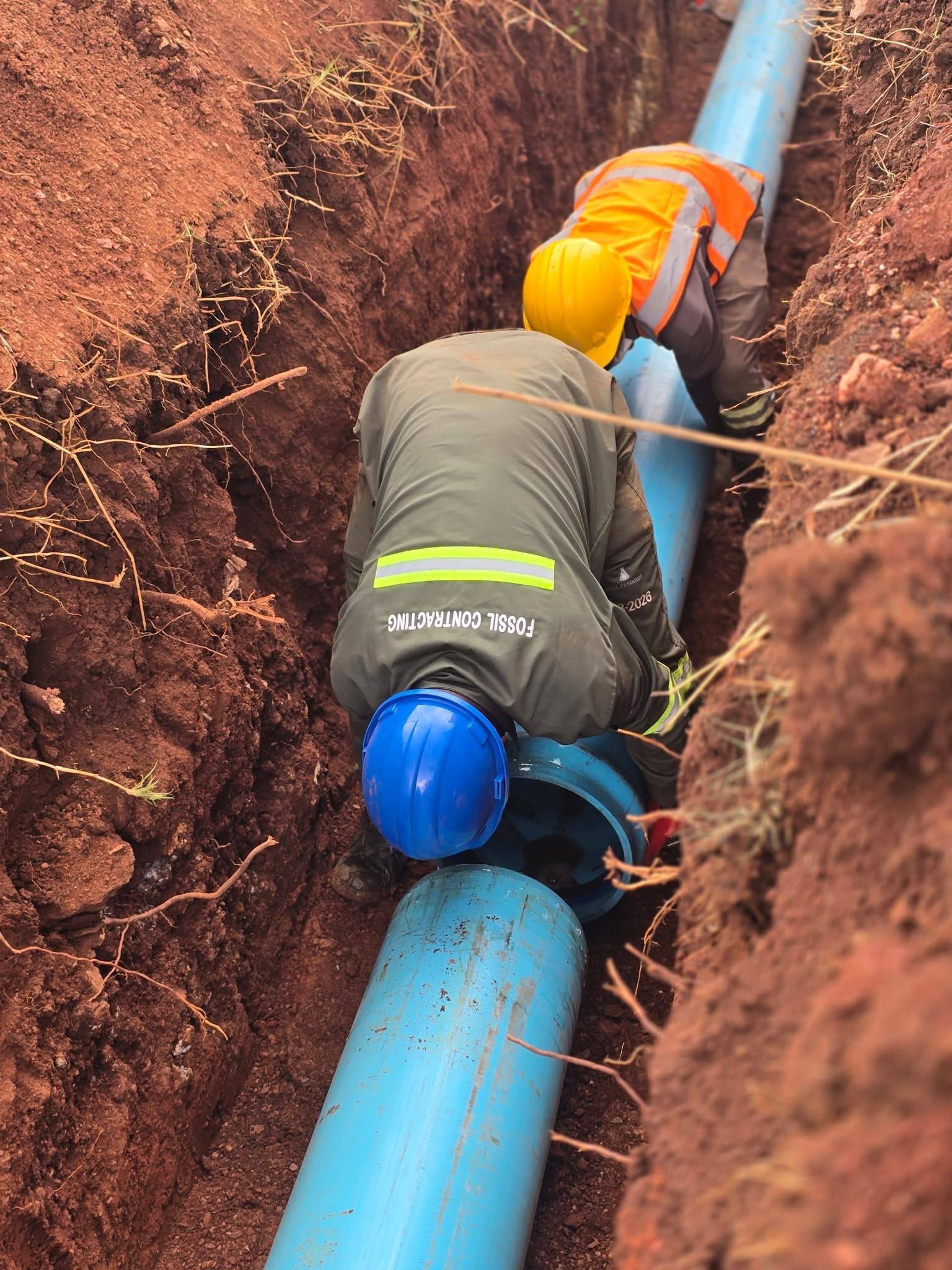
Servitudes are legal encumbrances registered against a property’s title that grant another party — such as a neighbour, utility company, or local authority — the right to use, cross, or restrict development on a portion of the land, even after it changes ownership. Common examples include rights of way for access roads, space reserved for water and sewer lines, power line easements, or setback restrictions tied to municipal planning regulations.
Because these restrictions are recorded in title deeds or diagrams rather than being physically marked on the ground, buyers who skip thorough due diligence can find themselves unable to build where planned, or discover that portions of their land are legally off-limits.
Chihota’s comments come amid growing concern over informal and rushed land transactions in Zimbabwe, particularly as urban expansion drives demand for peri-urban plots. Large land purchases, he stressed, require rigorous investigation that goes beyond confirming ownership and price — buyers must examine title deeds, general plans, and any registered conditions before committing funds.
Property law experts generally recommend that prospective buyers engage a conveyancer or surveyor to conduct a title deed search, review any diagrams filed with the Surveyor-General’s office, and physically inspect boundaries alongside documentation, rather than relying on a seller’s verbal assurances.
The warning underscores a broader challenge facing land buyers across the region: as demand for residential and commercial plots grows, the gap between what is visually apparent on a site and what is legally encumbered on paper can expose buyers to costly surprises long after a sale is finalised.
Chihota’s message serves as a call for greater public awareness around land literacy, urging buyers to treat due diligence not as an optional formality but as a critical safeguard in any significant land transaction.