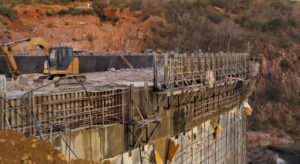
The multi-million-dollar Lake Gwayi-Shangani mega-project has emerged as a cornerstone of infrastructural development and an unprecedented engine for rural industrialization and human capital development in Matabeleland North. Beyond its primary engineering objectives, the massive reservoir is successfully shifting the economic landscape by establishing a direct pipeline for employment creation and technical skills transfer. It is actively connecting hundreds of unspecialized local workers with world-class, specialized engineers.
A defining feature of this national project is its hyper-local employment strategy, with a staggering 95% of the total on-site workforce recruited directly from surrounding communities in the Lubimbi, Binga, and Hwange districts. Historically, major capital projects in remote regions faced criticism for importing labor. However, the Gwayi-Shangani initiative has reversed this trend. It places local young men and women at the absolute forefront of the construction process, ensuring that the immediate financial rewards of the construction budget circulate directly within rural households.
The true long-term value of the project lies in this continuous, on-site classroom environment. Local workers working hand-in-hand with international civil engineers, hydrologists, and structural experts are undergoing an intensive, practical masterclass in modern heavy infrastructure development.
Laborers who entered the site with basic skills are rapidly gaining certified technical expertise in complex operations. These include high-pressure roller-compacted concrete (RCC) batching, precision steel reinforcement installation, heavy machinery operations, and advanced structural quality control protocols.
The profound accumulation of intellectual property ensures that when the dam is finally commissioned, the surrounding communities will retain a highly skilled, locally grown technical workforce capable of maintaining the infrastructure and competing for major engineering tenders across the Southern African region.
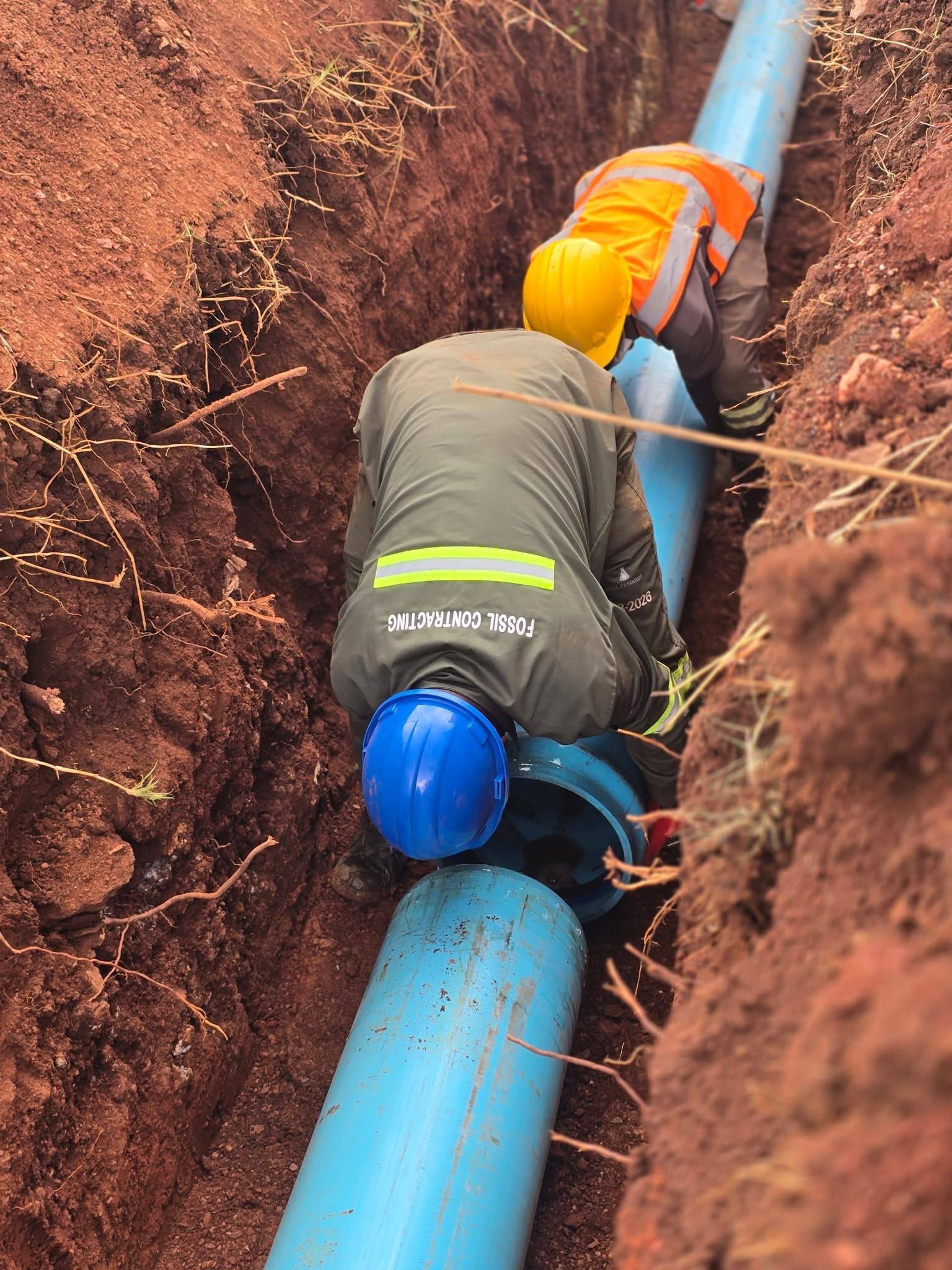
Upon its full completion, the benefits of the lake will extend far into the future, permanently securing the region’s economic prospects. The massive body of water is engineered to decisively eliminate the perennial water crisis in Bulawayo via a 252-kilometer pipeline, while concurrently feeding a massive 10,000-hectare agricultural greenbelt along its path to boost national food security.
Additionally, the inclusion of an on-site hydroelectric power station, coupled with planned investments in commercial fisheries and eco-tourism resorts, ensures a diversified, self-sustaining regional economy. By successfully marrying large-scale infrastructure development with localized human empowerment, the Gwayi-Shangani project is crafting a lasting legacy of self-reliance and sustainable development for generations to come.