Asphalt and concrete paving often capture public attention in the field of civil engineering, but the quiet mechanics of stormwater management dictate a road network’s ultimate survival. Water remains the single greatest threat to structural integrity, capable of softening subgrades, eroding embankments, and compromising expensive road foundations.
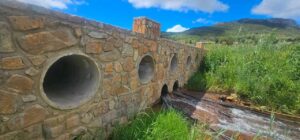
Recognizing this dynamic, the ongoing construction of a robust multiple-barrel culvert on Chinakowa Road in Nyanga stands out as a critical infrastructural intervention, demonstrating how strategic hydraulic engineering directly underpins rural connectivity and long-term asset preservation.
Nyanga’s mountainous terrain, coupled with its high annual rainfall patterns, makes its transport corridors highly vulnerable to flash floods and severe runoff. The newly engineered multiple-barrel culvert addresses this vulnerability by acting as a high-capacity pressure valve beneath the asphalt.
Through organizing multiple subterranean water channels, or barrels, side-by-side, the structure radically increases the volume of water the road can safely cross over during extreme downpours. This design ensures efficient hydraulic flow, preventing the pooling of standing water along the road shoulders, eliminating flash flooding traps, and minimizing the destructive erosion of underlying earthworks.
Beyond the immediate technical benefits of moisture control, the structural reinforcement of Chinakowa Road is triggering immediate economic dividends across the district. Nyanga functions as a vital macroeconomic hub driven by commercial forestry, intensive agriculture, and high-value tourism.
Prior to the installation of this engineered crossing, heavy rains frequently caused localized washaways, splitting transit routes and stranding economic actors. The multi-barrel culvert has effectively stabilized the corridor, guaranteeing uninterrupted, all-weather accessibility for massive timber transport trucks, local fruit farmers delivering produce to urban markets, and international tourists visiting the region’s resort destinations.
Ultimately, the multiple-barrel culvert project exemplifies the government’s shift toward climate-resilient engineering under the ongoing national infrastructure rehabilitation agenda. Investing in premium drainage systems upfront drastically reduces the long-term, repetitive fiscal strain of emergency road repairs following heavy rainy seasons.
The Chanokowa Road installation will channel water safely beneath the surface rather than allowing it to tear through the pavement which , significantly prolongs the operational lifespan of the entire transport corridor. This project stands as a definitive blueprint for how sound hydraulic management can successfully protect public investments, shorten travel distances, and permanently connect vulnerable communities to the broader national economy.