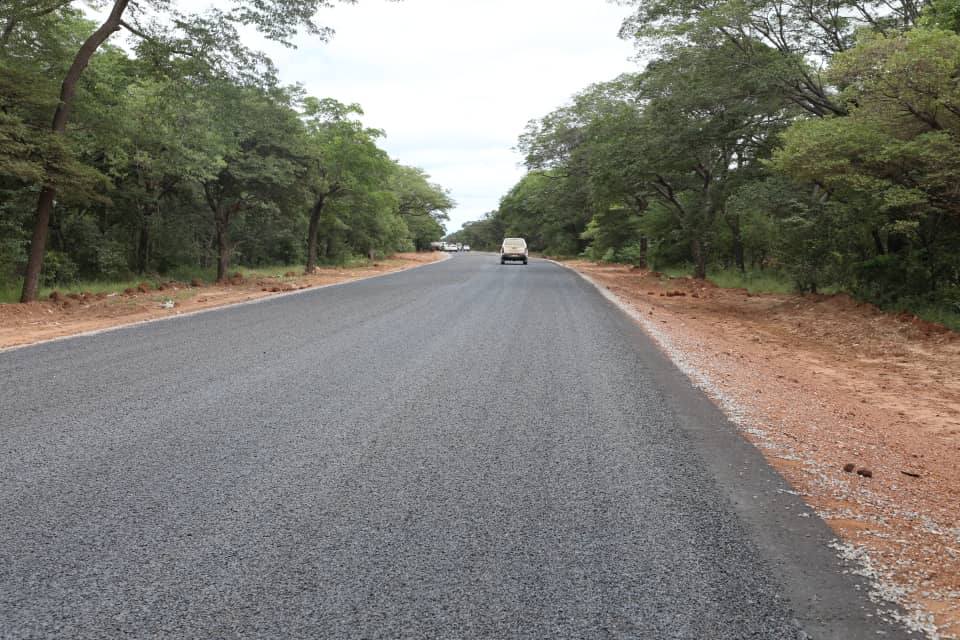

As Zimbabwe works to rehabilitate and expand its road network, attention is turning from simply building roads to building roads that last. Engineers, contractors and authorities increasingly agree that durability, not speed or low upfront cost, should be the measure of success.
Roads are central to the national economy. They carry farm produce to markets, move minerals to processing and export points, connect workers to jobs and give communities access to schools and clinics. When a road deteriorates quickly, the costs are felt far beyond the surface: higher vehicle repair bills, longer journeys, more accidents and delayed deliveries.
Industry practitioners point out that a lasting road starts long before the first layer of bitumen is applied. Proper surveys and design, tailored to local soils, traffic loads and rainfall, form the foundation. Good drainage is equally critical, since water is among the most common causes of road failure. Poorly drained pavements soften, crack and break up, often within a few seasons.
Material quality is another key factor. Using well-graded aggregates, correctly specified bitumen and appropriate surfacing techniques helps a road withstand heavy trucks and Zimbabwe’s seasonal extremes, from intense summer downpours to hot, dry spells. Skilled workmanship matters just as much. Compaction, layer thickness and surfacing temperatures must all meet specification if the finished road is to perform as designed.
Supervision and testing play a vital role too. Independent quality checks during construction can catch problems early, when they are cheaper and easier to correct. Contractors who invest in modern equipment, trained crews and rigorous quality control are better placed to deliver roads that stand the test of time.
Maintenance completes the picture. Even well-built roads need regular attention, including pothole repairs, resealing, drain clearing and vegetation control. Timely upkeep is far cheaper than full reconstruction, and experts say routine maintenance budgets should be treated as an investment rather than an optional extra.
Communities also have a part to play. Observing axle-load limits, avoiding the blocking of drains and reporting damage early all help protect public assets. Local involvement in projects, through employment and skills transfer, can further build a sense of ownership.
As road projects continue across the country, the push for quality is gathering momentum. For motorists, businesses and rural communities alike, the promise is clear: well-planned, well-built and well-maintained roads that serve Zimbabwe not just today, but for decades to come.