The difference between a community in crisis and a community fed often rests on a single, sophisticated pillar: the World Food Programme (WFP) Supply Chain. Far from being just a matter of transport, WFP’s logistical network in Zimbabwe is a precision-engineered operation designed to ensure that life-saving food and assistance reach the most vulnerable—even when roads disappear or disasters strike.
At the heart of this operation is a robust network of strategic warehouses and logistics hubs. These facilities, ranging from permanent structures in Harare to rapid-response Mobile Storage Units (MSUs) in remote areas like the Tongogara Refugee Camp, serve as the vital staging grounds for the nation’s food security. With the capacity to store thousands of metric tons of commodities—including cereals, pulses, and vegetable oil—these warehouses allow WFP to “pre-position” food ahead of the lean season or predicted climate shocks like the El Niño-induced droughts.
Engineering the Last Mile
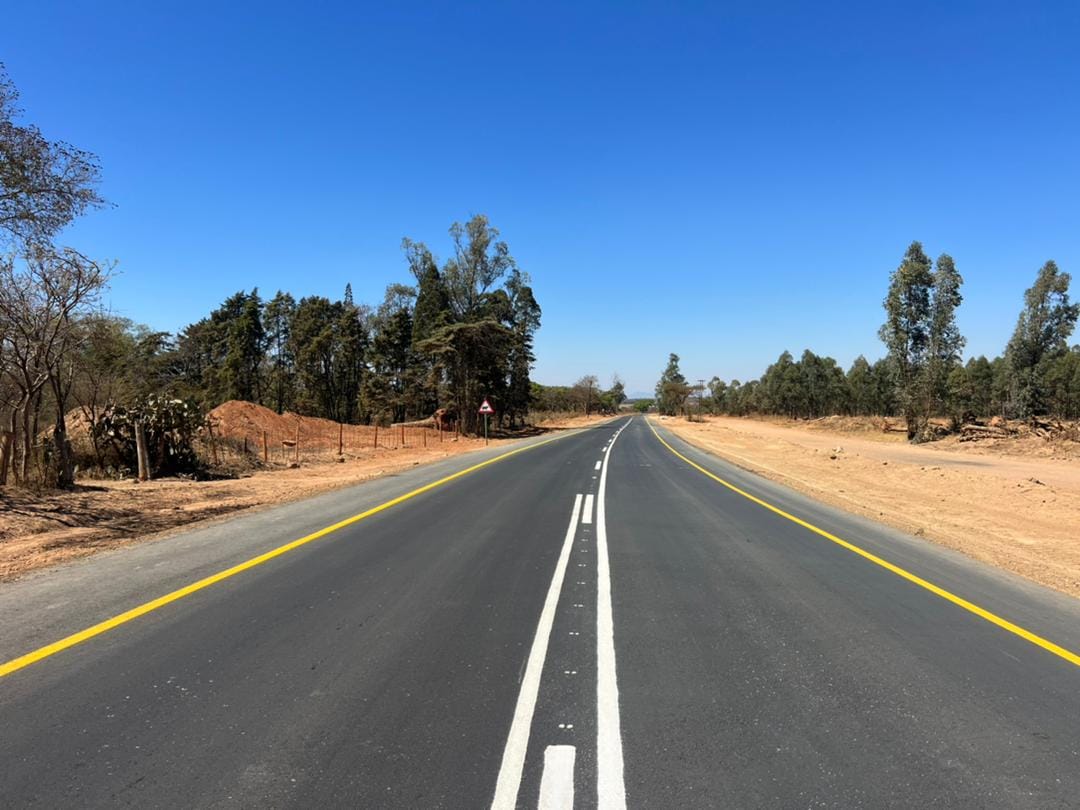
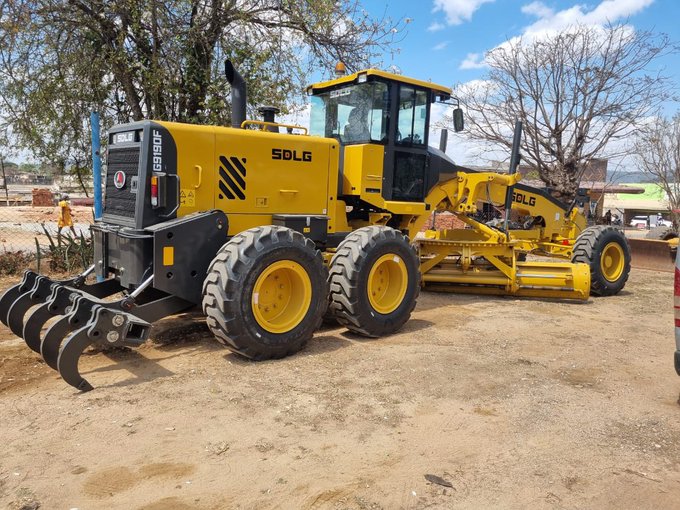
The “Last Mile” represents the final, and often most difficult, leg of the journey. In Zimbabwe, this involves navigating rugged terrain, crossing rehabilitated bridges, and reaching deep-field distribution points where commercial transport cannot go. WFP utilizes a diverse fleet of all-terrain trucks and, when necessary, amphibious vehicles or air drops to ensure that no community is left behind.
Beyond physical delivery, the supply chain is increasingly digital. Using tools like “Route the Meals,” WFP optimizes delivery paths to reduce lead times and carbon emissions. Furthermore, the integration of Last Mile Early Warning Messages (LMEWM) ensures that communities are not just receiving food, but also the critical information needed to protect their own livelihoods ahead of extreme weather events.
Strengthening Local Systems
WFP’s supply chain in Zimbabwe is not an isolated system; it is a catalyst for national growth. By sourcing over half of its food requirements within the region and prioritizing contracts with local transport companies, WFP injects millions of dollars into the Zimbabwean economy. This “Local First” approach professionalizes commercial markets and strengthens the resilience of national food systems.
As WFP continues its mission toward #ZeroHunger, its warehouse floors and delivery routes remain the silent sentinels of hope, proving that with the right infrastructure, even the most remote mile is reachable.