For anyone building, renovating, or planning a construction project in Zimbabwe, one decision tends to shape the outcome more than most: which timber to use. Builders and suppliers say the type of wood chosen for a project has a direct bearing on its strength, durability, and final finish, yet with a wide range of options on the market, working out which timber suits which job is not always straightforward.
Zimbabwe’s timber industry rests heavily on pine and eucalyptus, or gum, both grown extensively in commercial plantations across the country’s Eastern Highlands and Midlands. Pine dominates local structural supply, forming roughly three-quarters of the country’s plantation area, and remains the standard choice for roof trusses, purlins, brandering, and general building timber. Producers such as Border Timbers, headquartered in Mutare, operate several forest estates and sawmills producing mainly pine, alongside eucalyptus, for both the local and regional construction and furniture markets.
Gum poles, meanwhile, play a distinct role in Zimbabwean building projects, particularly where durability against the elements matters most. Suppliers note that gum poles treated with creosote under high pressure become highly resistant to moisture, rot, and termite damage, giving them a service life that can extend past forty years. These treated poles are widely used for fencing, transmission structures, and as building supports, while untreated gum poles remain a cheaper option for less demanding applications.
Indigenous hardwoods add a further layer of choice, though supply constraints mean they are used more selectively. Species such as mukwa and Zambezi teak have long been valued for furniture and higher-end joinery, but local hardwood supply has struggled to keep pace with demand for years, a gap that has pushed much of the market toward plantation-grown pine and gum as more readily available alternatives.
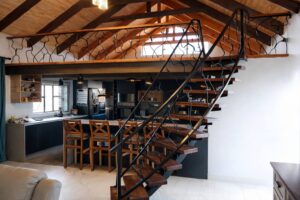
For homeowners and contractors, the right choice often comes down to application. Structural work such as roof trusses generally calls for graded pine, chosen for consistency and load-bearing performance. Outdoor structures exposed to weather and pests benefit from treated gum poles or hardwood alternatives. Interior fittings and furniture allow more room for indigenous timbers prized for their appearance and character.
Industry voices continue to stress that timber should not be an afterthought in the planning process. Selecting the appropriate species and treatment for each part of a build, they say, has a direct effect on how long a structure lasts and how well it performs over time, making early, informed decisions about timber one of the more consequential choices in any construction or renovation project in Zimbabwe.