
A simple but pointed appeal is making the rounds within Zimbabwe’s construction circles: “Put coping on your parapet walls, please.” Though brief, the message speaks to a detail that builders and engineers say is too often skipped on both residential and commercial projects, with costly consequences down the line.
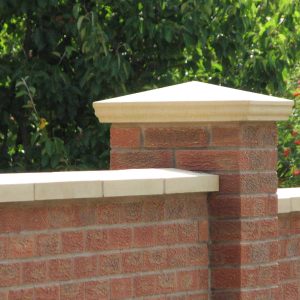
Coping refers to the capping material installed along the top of a parapet wall, the raised section of wall that extends above a roofline, typically found on flat-roofed buildings, boundary walls and balustrades. Without proper coping, the exposed top of a parapet wall is left vulnerable to the elements, a risk that carries particular weight in Zimbabwe, where seasonal rains and fluctuating temperatures place sustained pressure on unprotected masonry.
Builders explain that an uncapped parapet wall allows rainwater to seep directly into the brickwork or blockwork below. Over time, this moisture penetration can lead to a range of structural problems, including efflorescence, cracking, spalling of plaster and, in more severe cases, weakening of the wall’s internal structure. In regions prone to occasional frost or significant temperature swings, trapped moisture within masonry can also contribute to further deterioration as it expands and contracts.
Coping serves as a protective barrier against this kind of water ingress, typically constructed from materials such as precast concrete, natural stone, brick tiles or metal capping, shaped to shed water away from the wall face rather than allowing it to pool or seep downward. Beyond its functional role, coping also contributes to the finished appearance of a building, providing a clean, defined edge along the top of a wall that many architects and homeowners consider an important aesthetic detail.
Despite its relatively low cost compared to the overall expense of a building project, coping is sometimes omitted or left as an afterthought, particularly on smaller residential builds or boundary walls where budgets are tightly managed. Builders caution that this shortcut often proves more expensive in the long run, as remedial work to address water damage and structural deterioration typically costs significantly more than the coping would have cost to install correctly from the outset.
For homeowners and developers currently undertaking construction, the reminder serves as a practical prompt to review project specifications and ensure that parapet walls are properly finished before building sign-off. As one contractor put it plainly, the appeal is less about adding unnecessary cost and more about protecting the investment already made, since a wall built without coping is, quite literally, left exposed to the very elements it is meant to withstand.