The US$313 million Sandawana lithium processing project is delivering more than industrial capacity, with 104 new homes, roads, jobs and essential community infrastructure taking shape around it.
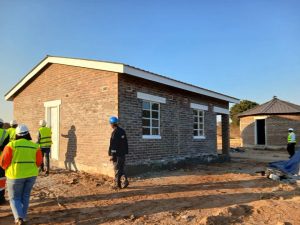
At the centre of the community programme is the relocation of affected households. Seven relocation homes have been completed, and 97 more are at an advanced stage, bringing the total to 104. Under the same relocation programme, 85 heifers have been procured to support families’ livelihoods.
The project is also supporting the orderly relocation and reburial of affected graves. So far, 24 graves have been relocated, in consultation with the relevant authorities.
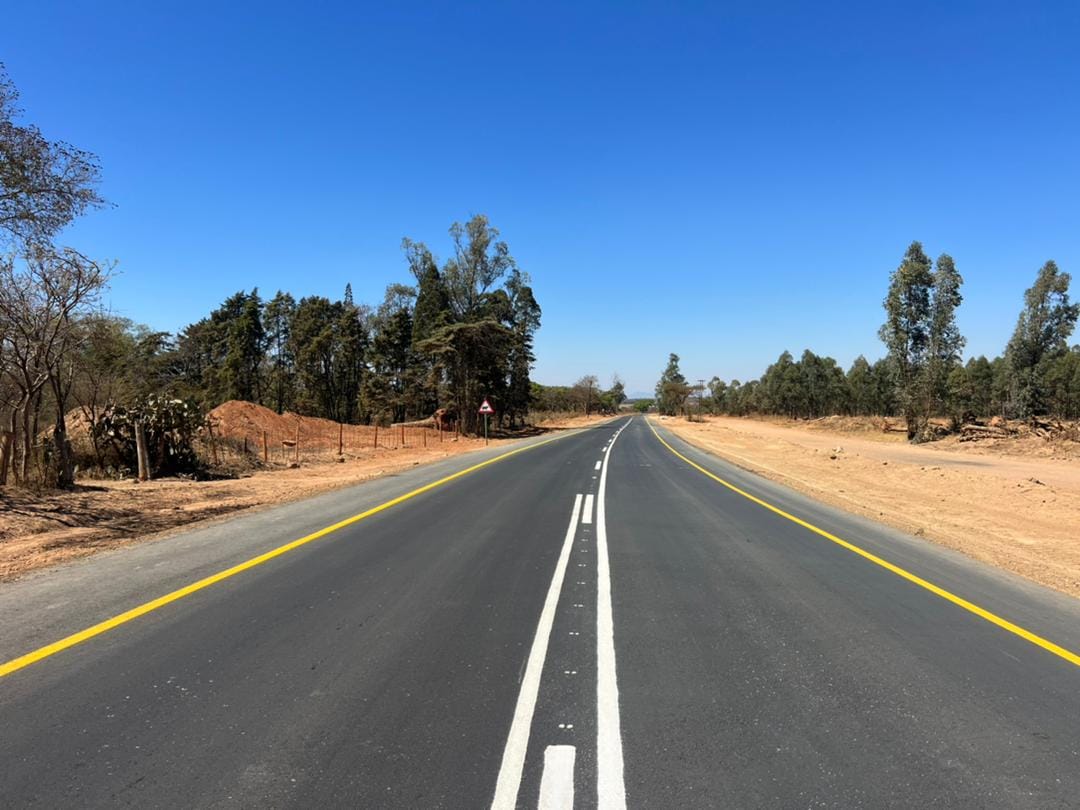
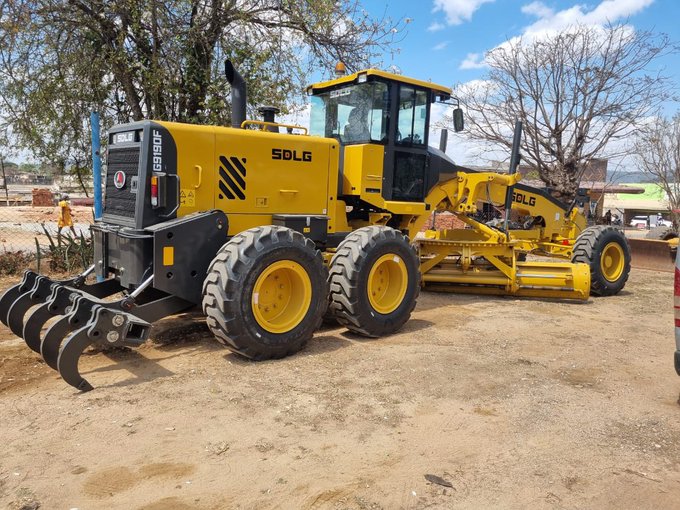
Road building is among the most visible works. The 52km York–Sandawana access road is under construction and has already employed more than 120 local people. Beyond the jobs, the road is expected to improve access to and from the area for residents and businesses.
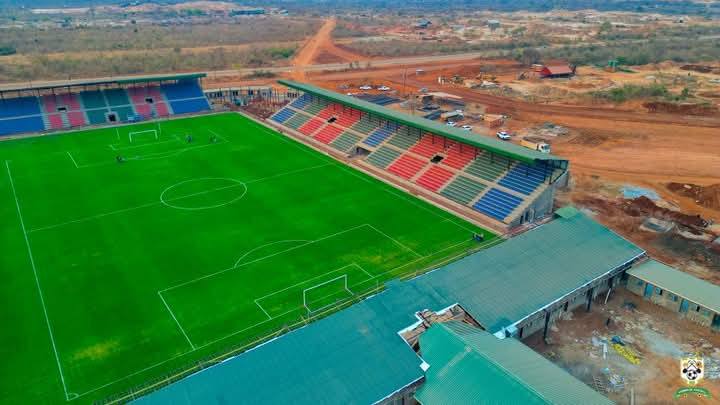
Social infrastructure is also moving ahead. A new primary school is targeted for completion by the end of 2026, while a new medical centre and police station are at the design stage. Irrigation land has been identified to support community livelihoods, offering a base for farming activity alongside the mining operation.
The programme reflects a model increasingly promoted in Zimbabwe’s mining sector, in which minerals are processed locally and the benefits are shared with host communities. In the project’s own words, Sandawana is built around value addition, local participation and community development. Processing lithium in Zimbabwe, rather than exporting raw ore, is intended to capture more of the value chain at home and create skills and employment opportunities along the way.
Lithium is a key input for batteries used in electric vehicles and energy storage, and demand for it has drawn growing investment to Zimbabwe, which holds some of Africa’s largest reserves. For communities living near such projects, the question is often what the development leaves behind. The Sandawana programme points to answers in housing, schools, health facilities, roads and income-generating opportunities.
The project’s backers say the approach is already reshaping the local economy, moving it from minerals to infrastructure, jobs, skills and community opportunities.