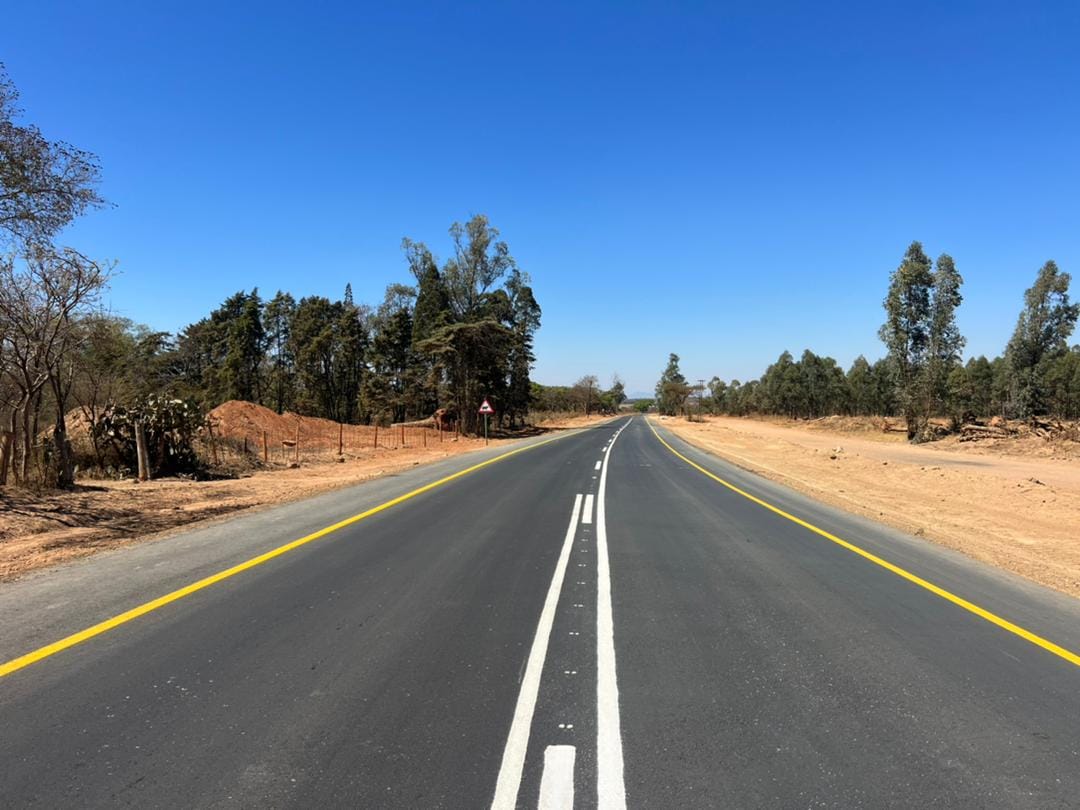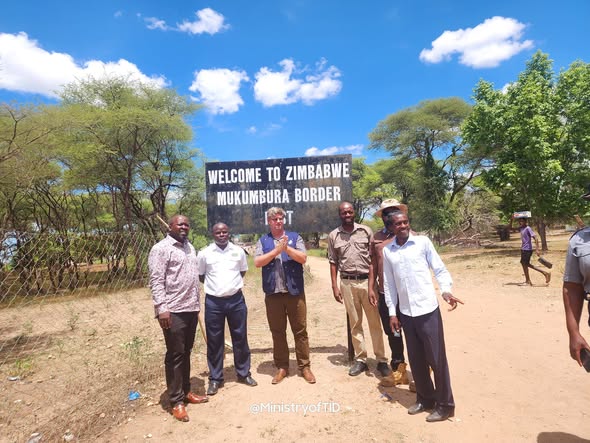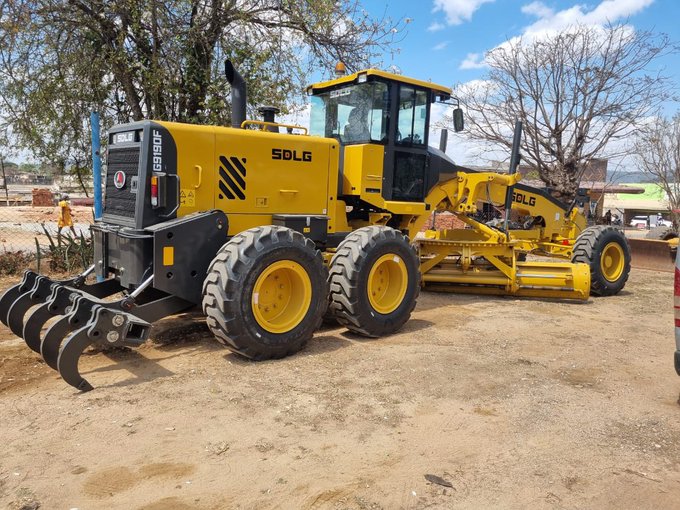

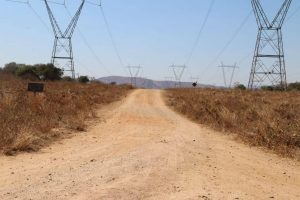
Transport and Infrastructural Development Minister, Hon. Adv. F.T. Mhona, today led a site visit to assess the Charara–Kanyati (Gache Gache) road link, a project intended to shorten the distance between Kariba Urban and Kariba Rural and to provide residents with a land-based alternative to the boat service that has long connected the two areas.
The visit comes weeks after the Mbuya Nehanda ferry disaster on Lake Kariba, in which dozens of lives were lost, prompting President Emmerson Mnangagwa to direct Minister Mhona to mobilise resources for the rehabilitation and upgrading of road networks serving communities that rely heavily on the lake for transport. Speaking during the inspection, Hon. Adv. Mhona said the visit followed guidance from His Excellency to find lasting solutions for community mobility between Kariba’s urban and rural areas.
“We are seeing the road that we’ve been briefed about, which is about 105 kilometres, and the idea is to see how we can move with speed so that we promote accessibility and ensure the road is traffickable,” said the Minister.
He emphasised that the project speaks to the wider vision of regional connectivity championed by the President, linking Zimbabwe to neighbouring countries through the Beira Corridor and the North-South Corridor. In this context, the Minister said the road would strategically position the nation to enhance trade and tourism links with Mozambique, Zambia, Malawi and the Democratic Republic of Congo.
Hon. Adv. Mhona said the rehabilitation of the road would pave the way for the reintroduction of public transport in the area and offer communities a reliable alternative to the boat service, in keeping with government’s commitment to ensuring that no one and no place is left behind.
The Charara–Kanyati link forms part of a broader push to strengthen road access across the Kariba and Zambezi Valley region, where communities have historically depended on lake transport for movement between remote settlements and urban centres, with road journeys around the lake often running to several hundred kilometres. Government has indicated that addressing this infrastructure gap remains a priority as reconstruction and recovery efforts continue in the wake of recent events on the lake.