
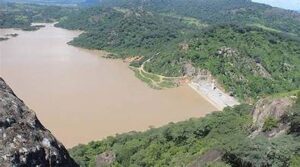
The government of Zimbabwe has officially set in motion a transformative vision for Masvingo Province with the unveiling of a 560-hectare eco-resort town situated just 4.5 kilometres from the Tugwi Mukosi Dam.
The ambitious development, integrated into the broader Combination Master Plan for the nation’s largest inland water body, aims to position the region as a premier hub for sustainable tourism and green infrastructure. The project leverages the unique landscape at the confluence of the Tugwi and Mukosi rivers, as it is designed to be a “destination for generations,” blending high-end leisure with rigorous environmental stewardship.
Central to the design of this eco-town is a world-class 213-hectare golf course, which will be complemented by a series of luxury hotels and lodges. These facilities are intended to capture the growing international and domestic demand for nature-based travel, offering visitors unparalleled access to water-based activities such as boating, fishing, and sunset cruises.
The master plan extends beyond traditional tourism to include the establishment of sprawling botanical gardens and dedicated wildlife buffer zones. These green spaces are intended to protect the rare fauna and flora native to the Runde catchment area while providing a scenic backdrop for the residential and commercial zones of the new town.
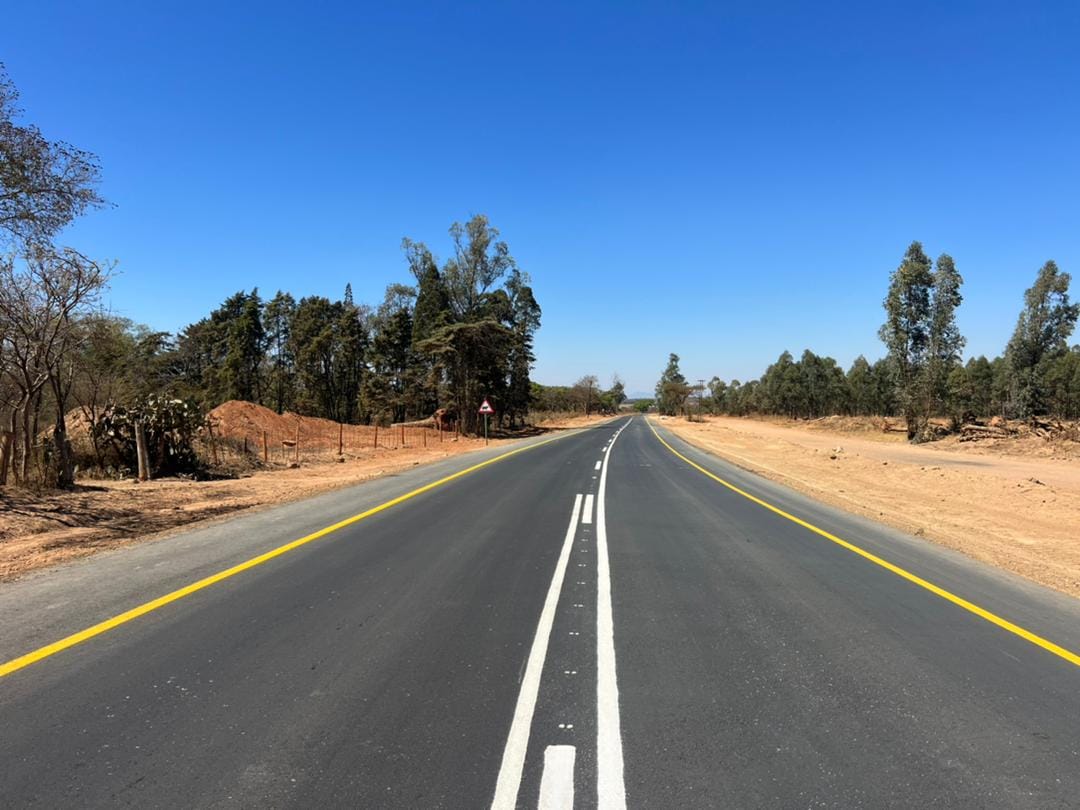
Sustainability is the cornerstone of the proposal, with the development featuring a 20-megawatt floating solar farm and a 15-megawatt mini-hydroelectric plant. These renewable energy sources are expected to power not only the resort town but also contribute significantly to the national grid, easing energy challenges for surrounding rural communities in Chivi and Masvingo districts. The infrastructure plans also detail upgraded road networks, a new bridge, and high-speed connectivity, ensuring the town is fully integrated into the regional economy.
While the project promises significant regional benefits, including job creation, skills development, and increased agricultural productivity through integrated irrigation schemes, it also addresses the necessity of balanced land use. The government has emphasized a “nature-first” approach, utilizing smart and resilient infrastructure to minimize the ecological footprint of the construction.
As the phased roll-out begins, the Tugwi Mukosi eco-resort town stands as a bold symbol of Zimbabwe’s Vision 2030, promising a future where industrialization and environmental conservation coexist to create a prosperous and vibrant growth node in the heart of the country.