
From commercial farms and safari lodges to mines and rural communities, gravel roads carry much of Zimbabwe’s daily traffic. Done properly, grading keeps them safe and drivable for far longer, according to South African equipment supplier KH Plant, which has shared a set of Caterpillar-approved maintenance tips.
KH Plant notes that gravel roads are a cheaper and quicker option than sealed surfaces, which makes them well suited to rural areas and farms. Their weakness is that they deteriorate without regular attention, developing displaced gravel, washboarding and potholes. The good news, the company says, is that the work is straightforward with the right guidelines.
Get the conditions right
Timing matters. To dress the road and shape its crown, the surface needs enough moisture, which can come from recent rain or from a water tank spraying the road. Good drainage is equally important, so water does not stand on the surface and oversaturate it. If the aim is to drag the surface instead, the road should be hard and dry, with the cutting edge at 90 degrees. Operators should cut down to the depth of major potholes rather than filling them with loose material, which does not improve the road over time.
Look after the cutting edge
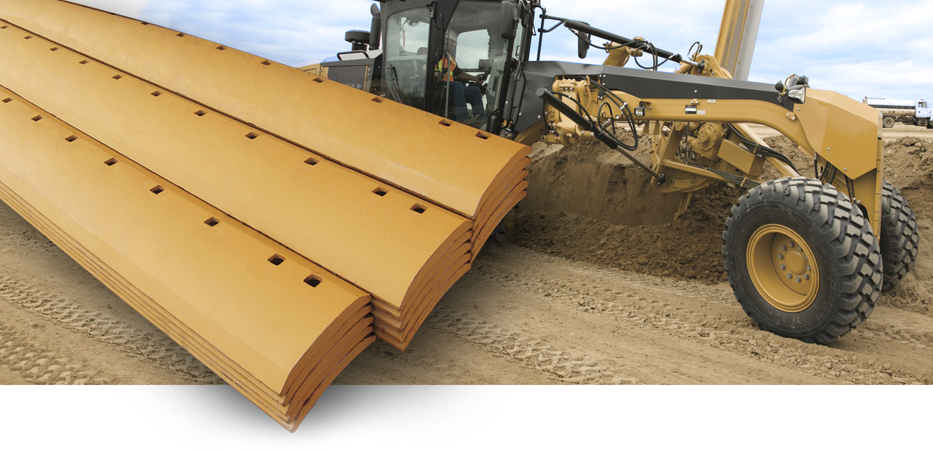
A worn cutting edge produces an uneven surface, so operators should check it often. Edges wear fastest in the centre, and letting them degrade too far can damage the moldboard. KH Plant advises keeping edges straight and replacing them before wear reaches the bottom of the moldboard. A fixed tip angle spreads wear evenly and extends edge life, and operators should take care when reversing with the moldboard close to the ground.
Work efficiently
For general maintenance, the centre-shift lock pin should sit in the centre position, with the drawbar and circle centred under the grader’s frame. Travelling at between 6 and 11 km/h balances productivity against machine bounce. Using the widest possible pass covers more of the road, and blade extensions can help on wider roads. If the machine bounces, a slight “crab mode” articulation of 2 to 5 degrees can steady it when cutting washboards, though it should not be used when scarifying them.
Regular grading pays off
KH Plant stresses that neglect is costly. Roads can deteriorate quickly after heavy rain or heavy traffic, and severe neglect can force a full rebuild. How often a road needs grading depends on traffic and weather, and haul roads used by heavy vehicles need particular attention.
For Zimbabwe’s rainy season, when washouts and potholes are common, regular grading offers a practical way to keep farm produce, tourists and supplies moving.