
When thinking about upgrades to your home or when planning a new build, it’s essential to think beyond immediate aesthetics and consider the impact of your decisions. The materials we choose affect not only the look and performance of our homes, but also the environment they exist in. Even small, informed choices can contribute to a more sustainable future.
In Africa, the effects of climate change are already evident. Hotter summers, prolonged heatwaves, intense UV exposure and ongoing pressure on the energy grid are forcing homeowners to rethink how their homes perform in extreme conditions. Beating the heat is no longer just about cooling systems. It starts with choosing materials that are designed to withstand local climates while reducing long-term environmental impact.
Globally, manufacturing is the third largest sector to contribute to global warming, especially those producing materials such as steel, cement, chemicals and other construction related products. These industries rely on fossil fuels for production purposes, and emit large amounts of CO2, contributing to between 20-24% of emissions globally. These fossil fuels are responsible for greenhouse gas buildup, causing global temperatures to rise with 2025 being among them hottest years on record.
This impact is particularly relevant given the scale of residential development and renovation worldwide. Each year, hundreds of millions of homeowners invest in property upgrades, while new residential construction continues to grow to meet population demands. In many markets, home improvement and renovation spending has reached record levels, highlighting the critical role homeowners can play in reducing environmental impact through more responsible material choices.
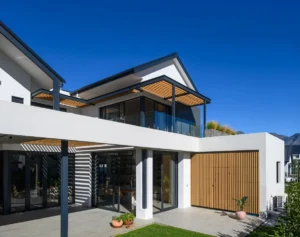
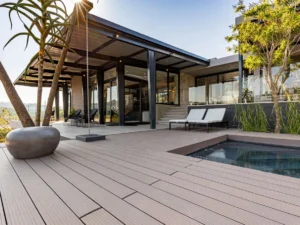
For those planning home renovations or new builds, consider companies who have taken the necessary steps to reduce these carbon emissions at the point of manufacture, and whose product life-cycle or longevity means less replacement and therefore less repeat production. Eva-Last’s bamboo composite building materials offer exactly that, supported by solarpowered manufacturing, sustainable raw materials, and long product lifespans.
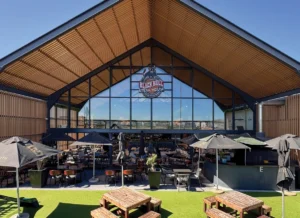
Eva-Last’s range of sustainable composite outdoor decking, cladding, architectural composite beams, and fencing solutions deliver superior durability and resistance to the elements compared to traditional timber. These products don’t require any of the chemicals needed to treat, varnish or maintain wood, further reducing their environmental impact, while maintaining visual
appeal.
Shelley Galliver, VP Group Marketing & Brand at Eva-Last encourages homeowners to think beyond surface appeal: “As homeowners, we have the opportunity to influence positive change through the choices we make. By selecting building materials that are designed for longevity and manufactured sustainably, it’s possible to create beautiful spaces that are also kinder to the planet. With the climate challenges we face today, making informed, responsible decisions has never been more important.”
By choosing Eva-Last as a supplier for your home upgrade, homeowners can help achieve the company’s Earth
Mission, focused on reducing environmental impact one composite product at a time. It’s a smart choice that
enhances living spaces while contributing positively toward a more
sustainable built environment.