As road networks expand, motorists often use the words “interchange” and “flyover” as if they mean the same thing. They do not. Each structure serves a different purpose, and knowing the difference helps explain how road designers improve traffic flow, ease congestion and enhance connectivity.
Two Structures, Two Purposes
Both interchanges and flyovers are designed to move traffic more efficiently, but they are chosen according to the needs of a particular location.
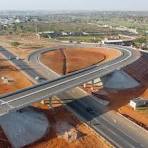
In general terms, a flyover is a bridge that carries one road over another, allowing traffic on the main route to pass above a junction without stopping. An interchange is a more complex arrangement that uses bridges and connecting ramps so that vehicles can move between roads, entering or leaving a route at different points. Put simply, a flyover mainly separates traffic flows, while an interchange both separates them and links them.
Easing Congestion
Both structures target one of the most familiar problems on busy roads: congestion at junctions. By removing the need for vehicles to stop at intersections, they can reduce delays, cut queues at peak hours and make journeys more predictable. Smoother movement can also lower fuel use and reduce the risk of collisions at crowded junctions.
The right choice depends on traffic volumes, the layout of the surrounding roads and the connections needed between routes.
Better Connectivity
Beyond reducing queues, these structures play a role in connecting communities, businesses and regions. An interchange, for example, can link a major highway to local roads, helping people and goods reach their destinations more easily. A flyover can keep a busy route flowing while local traffic continues below.
For any country investing in its road network, understanding how these structures work helps the public appreciate why different designs are used in different places.
Informing the Public
Clear information about how roads are planned and why certain structures are chosen builds public awareness and support for infrastructure projects. Road users who understand the purpose of each design are better placed to appreciate the benefits that new structures bring to their daily journeys.
For motorists, the message is simple: flyovers and interchanges are not the same, but both are built to keep traffic moving.