
Cluster developments have become one of the most popular models in Zimbabwe’s residential property market, offering buyers security, shared amenity and a sense of community within a managed environment. For developers and investors looking to build them, however, the road from concept to completed project is considerably more complex — and more expensive — than the initial construction quote typically suggests. Understanding the full cost picture before breaking ground is not merely advisable; it is essential.
When contractors price a cluster development, they generally present what might be called the visible costs — the elements that are easy to quantify and straightforward to communicate to a client. Foundations, concrete works, brickwork, roofing, aluminium works, plastering, tiling, ceilings, plumbing and electrical installations form the backbone of any such quote, and for good reason. They are substantial, tangible and relatively easy to scope. What is often left out of the initial conversation, however, is the category of costs that experienced developers know can make or break a project budget: finishes and external works.
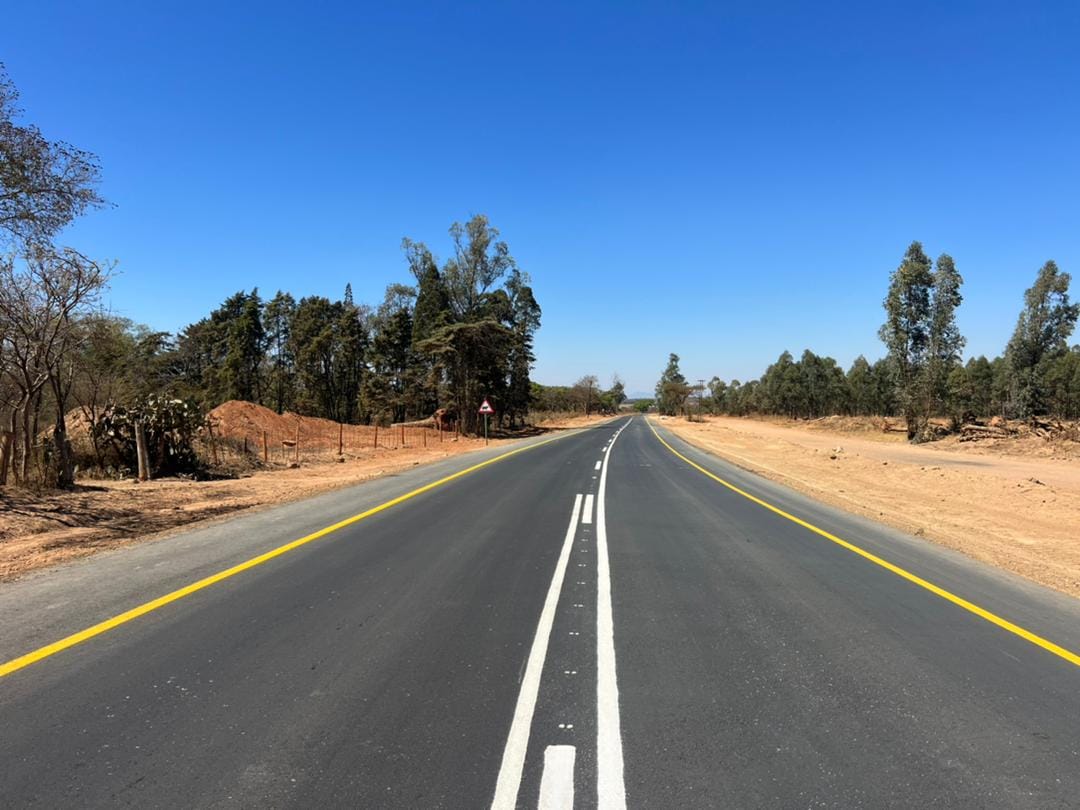
These are the items that transform a collection of constructed units into a functioning, liveable and legally compliant residential development. Water and sewer reticulation must be designed, installed and connected, whether to a municipal sewer line or through an on-site treatment system such as a biodigester. Roads and stormwater drainage infrastructure are required to serve every unit, and their cost across an entire site can be substantial. Landscaping, demarcation walls, wash lines and external lighting all contribute to the environment that ultimately determines how well the development sells or lets.
Beyond these, there are the shared amenity and service infrastructure costs that banks and financiers routinely ask about during project appraisal. A gatehouse and visitors’ car parking are standard expectations in any managed cluster. A refuse shed, gas reticulation, CCTV and smart technology systems are increasingly demanded by buyers in the middle to upper market segments.
Borehole drilling and equipping, together with a solar energy system, have become near-essential inclusions in Zimbabwe’s current energy and water environment. Inside each unit, kitchen cupboards and built-in cabinetry — items that buyers naturally expect to find in a finished home — are frequently omitted from contractor quotes entirely.
The consequence of overlooking these costs at the planning stage is a budget shortfall that emerges precisely when the project can least afford it — during construction. Banks and lending institutions that finance cluster developments are well aware of this pattern and will routinely require a fully inclusive budget, covering both construction and external works, before approving funding.
The lesson for anyone planning a cluster development is straightforward: insist on a complete cost picture from the outset, encompass every line item from site infrastructure to interior finishes, and build contingency into the budget before a single brick is laid. Clusters built on incomplete budgets rarely end well. Those built on honest, comprehensive costings stand the best chance of delivering on their promise — to buyers, to financiers and to developers alike.