Zimbabwe is pressing ahead with major investment in water infrastructure, with the Gwayi-Shangani and Kunzvi mega-dam projects, together worth more than US$733 million, standing at the centre of the country’s plans to secure long-term water supplies for its two largest urban centres.
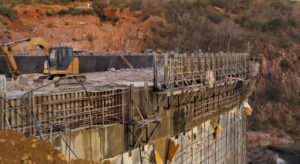
Gwayi-Shangani Dam, located in Matabeleland North and forming the centrepiece of the long-running National Matabeleland Zambezi Water Project, is now around 82% complete, following the government’s decision to lift monthly Treasury funding for the project from US$5 million to US$8 million. Once finished, the dam will become Zimbabwe’s third-largest inland water body after Tugwi-Mukosi and Lake Mutirikwi, offering a long-term solution to Bulawayo’s persistent water shortages while creating opportunities for irrigation, agriculture and a 10-megawatt hydroelectric power station. Water will reach Bulawayo through a 252-kilometre pipeline fitted with six booster stations, stretching to Cowdray Park.
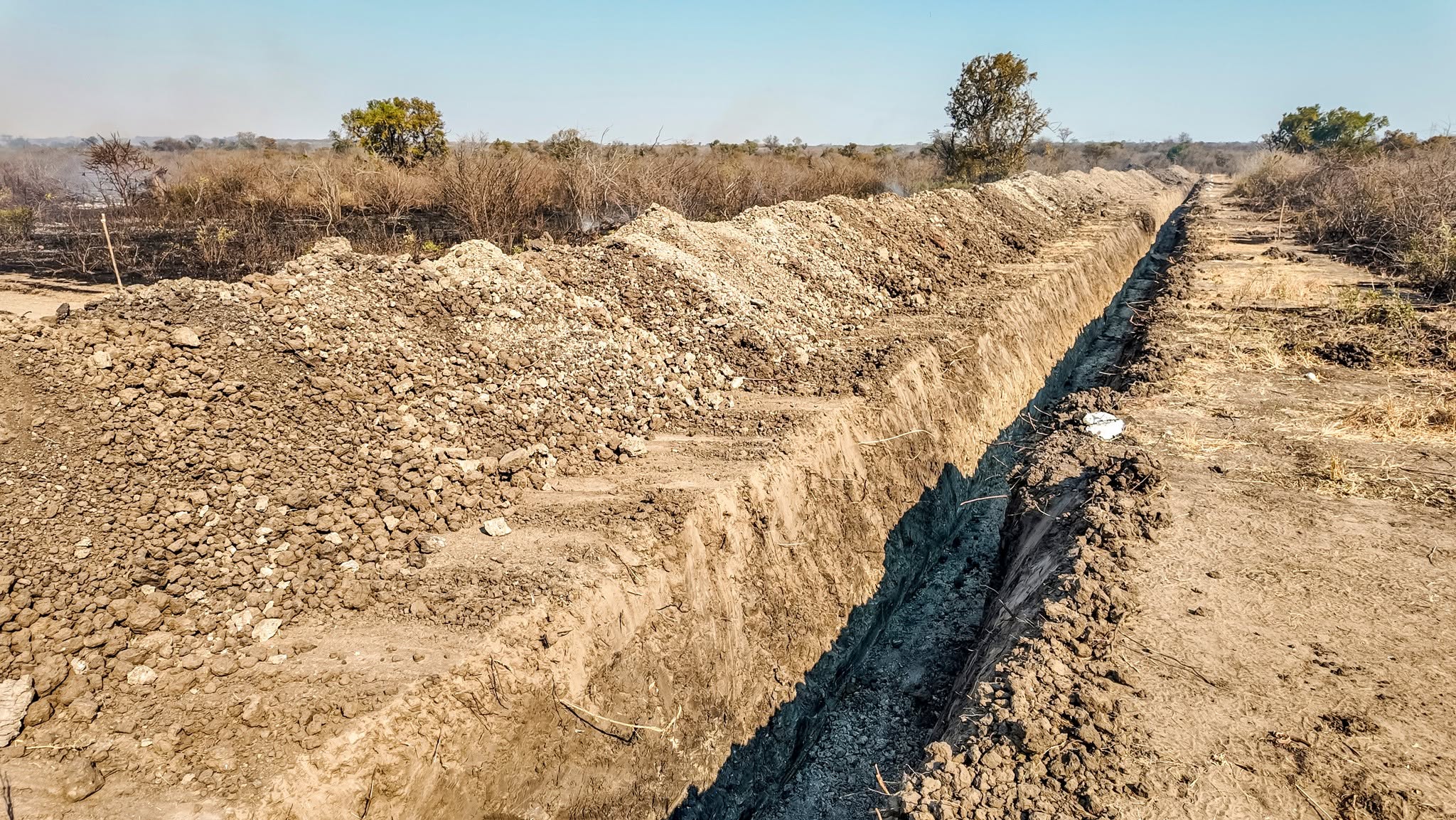
Kunzvi Dam, meanwhile, is progressing steadily toward strengthening Harare’s water supply, with construction now well advanced and excavation works reported largely complete. The dam is designed to carry 158 million cubic metres of water, reinforcing the capital’s main supply system and helping meet demand from a growing urban population. Beyond domestic supply, Kunzvi is expected to irrigate at least 500 hectares of farmland and extend piped water to expanding growth points including Juru, Cross, Musami and Majuru.
Government officials say the accelerated funding, driven by a presidential directive to prioritise monthly disbursements to both projects, reflects the scale of ambition behind Zimbabwe’s water infrastructure drive. Treasury has released more than US$100 million toward the two dams so far this year, part of a broader effort to close a funding gap that has seen the Gwayi-Shangani project’s principal contract packages alone valued at over US$554 million.
Beyond the taps, officials argue the strategic value of both dams extends well past clean water delivery. By unlocking irrigation potential, the projects are expected to boost food production, support the establishment of green belts around major cities, and strengthen climate resilience in regions increasingly exposed to erratic rainfall.
As construction on both dam walls nears completion, attention is expected to shift toward the pipeline networks required to carry water from source to city, the next critical phase in delivering on the government’s promise of sustainable cities and long-term food security.