
As Zimbabwe’s cooler months set in, fireplaces are enjoying renewed popularity among homeowners, architects and interior designers, marking a shift back toward a feature long associated with the country’s colonial-era farmhouses and highveld properties but increasingly reimagined for contemporary living.
Harare and other high-altitude centres such as Nyanga, Mutare and parts of the Midlands experience noticeably cold winter nights, with temperatures in some areas dropping close to freezing between June and August. For decades, many homes in these regions relied on open fireplaces, wood-burning stoves or simple braziers to take the edge off winter evenings, particularly in older suburbs where high ceilings and solid brick construction, while elegant, tend to hold onto the cold.
In recent years, however, fireplaces have moved beyond pure functionality to become a defining design feature in new builds and renovations alike. Architects and interior designers report growing demand for fireplaces positioned as focal points in open-plan living spaces, often built into double-volume lounges or incorporated into outdoor entertainment areas where Zimbabwean homeowners frequently gather for braais and evening gatherings even during the colder months.
The renewed interest also reflects practical considerations tied to the country’s ongoing power challenges. With load-shedding remaining a periodic feature of daily life, wood-burning and gas fireplaces offer homeowners a reliable heat source independent of grid electricity, an appeal that has pushed many away from purely electric heating solutions toward more traditional options. Freestanding wood-burning stoves, in particular, have gained traction for their efficiency, offering sustained heat output while using significantly less wood than an open hearth, an important consideration given the cost and environmental impact of firewood sourcing in and around urban centres.
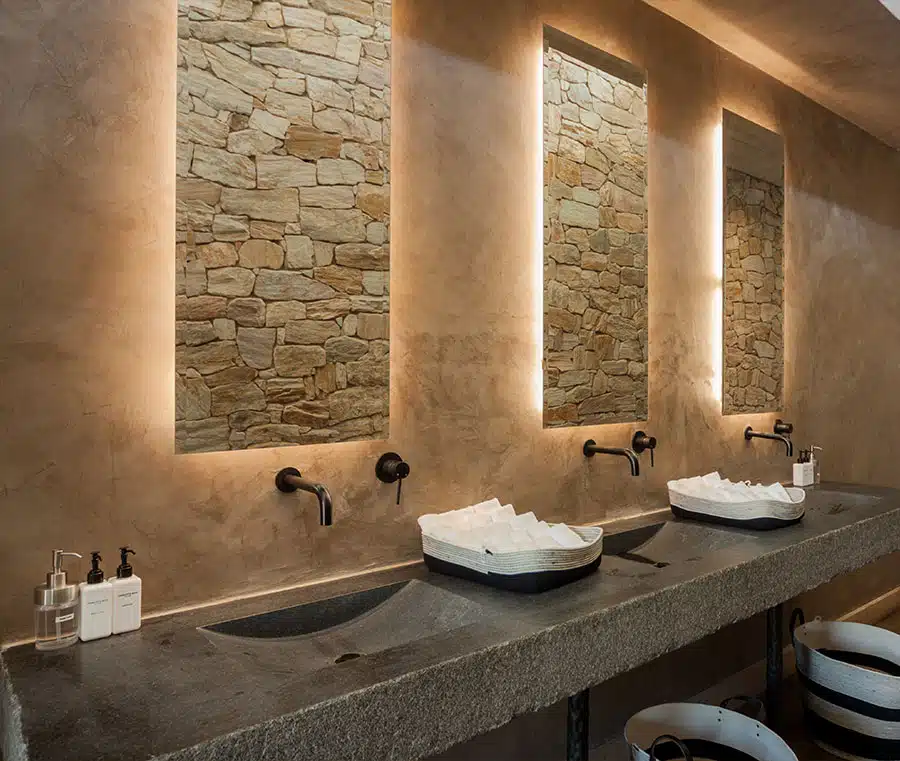
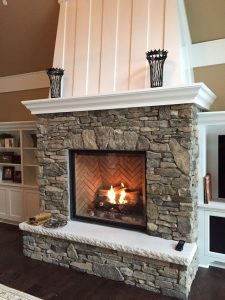
Design trends have also shifted the aesthetic expectations around fireplaces. Where older Zimbabwean homes typically featured large, ornate stone or brick surrounds, often built by hand using locally sourced river stone, many newer installations favour cleaner, more minimalist finishes, using rendered plaster, sleek steel surrounds or exposed brick in more restrained configurations. This shift mirrors broader interior design movements toward warmer, more textured, natural palettes, with fireplaces increasingly positioned as both a heat source and a decorative anchor within a room.
Outdoor fireplaces and fire pits have similarly grown in popularity, particularly among homeowners with larger gardens or entertainment areas, extending the usability of outdoor spaces well into the evening during winter months. Combined with the country’s strong culture of outdoor socialising, these installations have become a common feature in new residential developments and renovation projects across Harare’s northern suburbs and beyond.
For builders and suppliers, the trend has translated into steady demand for fireplace components, from imported wood-burning stoves and flue systems to locally fabricated steel surrounds and stone cladding, with several Zimbabwean companies now specialising specifically in fireplace design and installation. As homeowners continue to balance aesthetic considerations with the practical realities of Zimbabwe’s power supply and seasonal climate, fireplaces appear set to remain a fixture, both functionally and stylistically, in the country’s residential design landscape for winters to come.