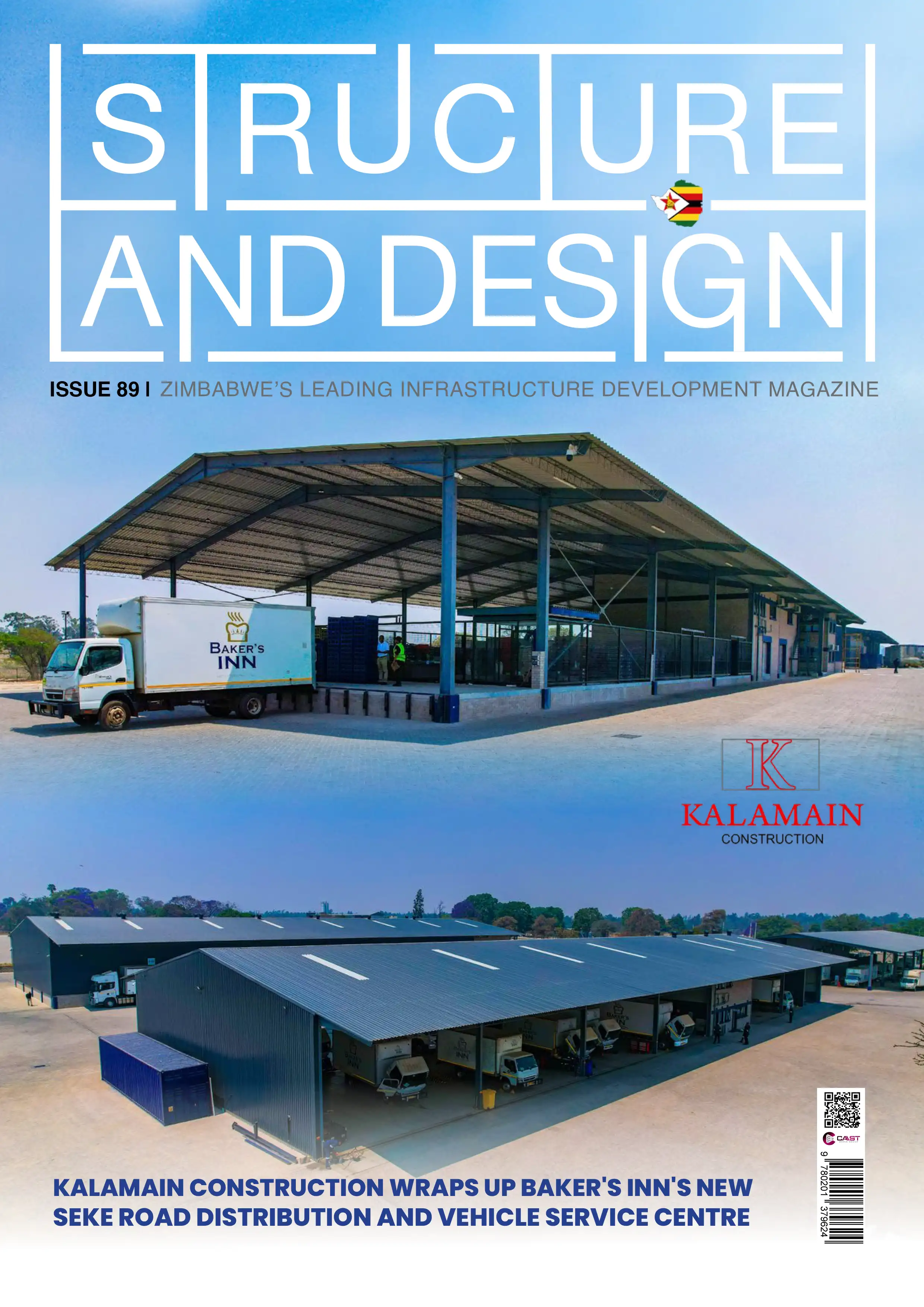
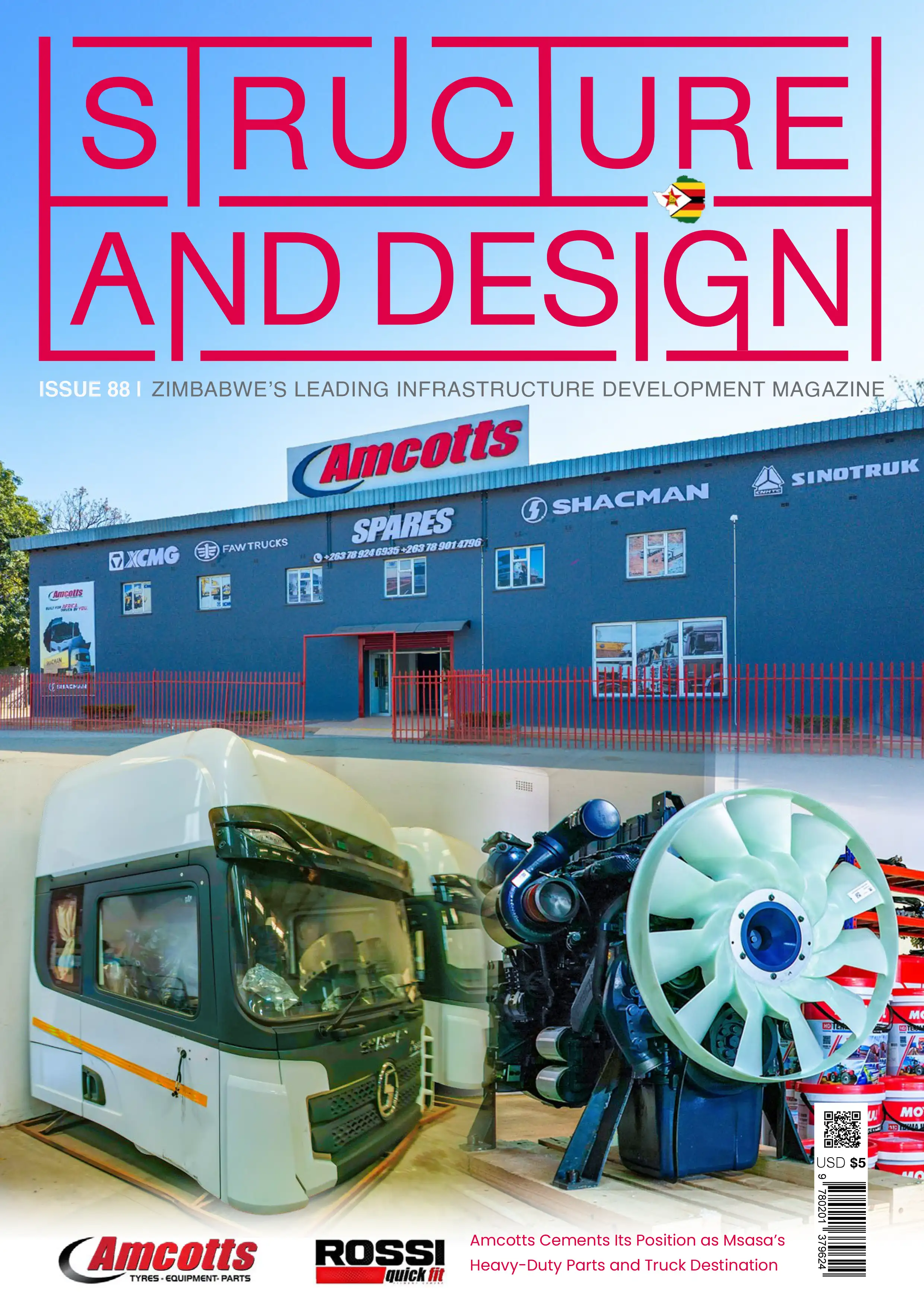

Zimbabwe’s construction industry is placing growing value on professionals who combine multiple disciplines under one roof, with quantity surveyors, construction managers, technical auditors, property development consultants, contract administrators and feasibility studies experts increasingly sought after as the sector navigates a period of sustained building activity.
Industry players say the days of relying on narrowly specialised consultants are giving way to demand for professionals capable of moving fluidly between cost control, technical oversight, contract management and strategic advisory work on a single project. A qualified quantity surveyor who can also step into the roles of construction manager, technical auditor and feasibility studies expert offers developers a leaner, more coordinated approach to project delivery, reducing the communication gaps that often arise when responsibilities are split across several disconnected consultants.
This shift is being driven in part by the scale and complexity of current developments across Harare, Bulawayo and other growth centres, ranging from gated residential estates and mixed-use precincts to commercial towers and infrastructure projects tied to government-backed initiatives. Developers working with tighter budgets and compressed timelines are increasingly looking for consultants who can conduct feasibility studies at the outset, administer contracts through construction, and carry out technical audits to verify quality and value for money at completion, all within a single point of accountability.
Property development consultants with this broad skill set are also playing a growing role in advising investors on land acquisition, project viability and phased development strategies, particularly as more private capital flows into residential estates and commercial property in response to Zimbabwe’s persistent housing backlog. Their input at the planning stage, before ground is broken, has become critical in helping developers avoid costly design and budgeting errors later in the construction process.
Construction managers and contract administrators with quantity surveying backgrounds are similarly in demand for their ability to manage cost overruns, verify valuations and resolve contractual disputes with a technical understanding that purely legal or administrative contract managers often lack. This combination of skills is proving especially valuable on projects that rely on phased funding, where accurate, ongoing feasibility assessment is needed to keep financing aligned with construction progress.
As Zimbabwe’s built environment sector continues to mature, professionals able to offer this integrated mix of quantity surveying, technical auditing, feasibility analysis and contract administration are positioning themselves at the centre of the country’s construction value chain, reflecting a broader industry trend toward consolidated, end-to-end project advisory services.