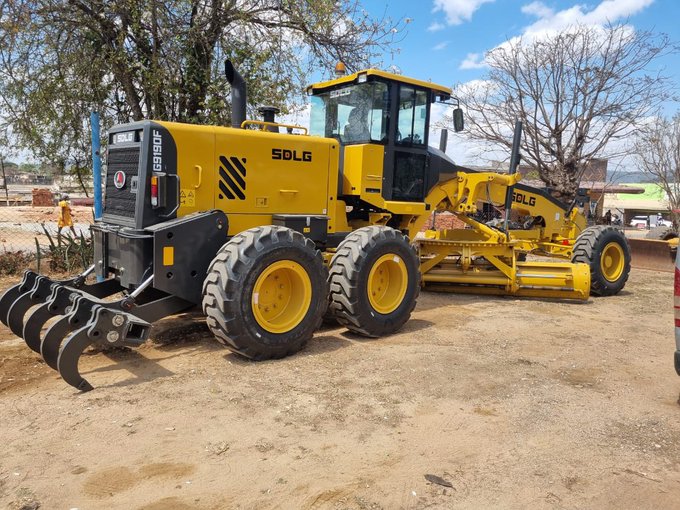
Heavy machinery has moved onto site at Forbes Border Post in Mutare, marking the start of physical construction on Zimbabwe’s US$232 million modernisation of the crossing — a project that has shifted decisively from feasibility studies and planning documents to bush-clearing, earthworks and drainage works on the ground.
The Forbes Border Consortium, holder of a 20-year build-operate-transfer concession for the site, has mobilised contractors to begin the early-works programme near the Vehicle Inspection Department grounds in Mutare. The preparatory phase involves site surveys, drainage works, earthworks and the establishment of temporary facilities, including a truck staging area, to immediately relieve congestion. Engineers describe this stage as essential groundwork to secure and prepare the site before the main construction phase can proceed at scale.
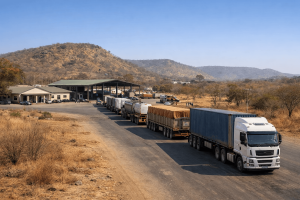
The most visible sign of progress so far is a temporary 500-truck staging area, now taking shape as one of the first structures to emerge from the clearing works. Crews have been carrying out bush clearing and levelling to create dedicated off-site parking, intended to pull queuing trucks off the Beira Road while permanent terminal buildings, customs halls and inspection bays are designed and built. Officials have indicated the staging facility itself was targeted for completion on an accelerated schedule, ahead of the heavier civil works to come.
That heavier phase will be substantial. Forbes currently processes over 1,000 commercial trucks a day, and the design brief for the new facility calls for permanent infrastructure capable of handling that volume many times over — new road layouts, weighbridges, scanning bays, office blocks for customs and immigration agencies, and the wiring and IT backbone needed to run automated clearance systems. Contractors will need to sequence this construction carefully to keep the border operational throughout, likely phasing new structures alongside the existing post rather than closing it during the build.
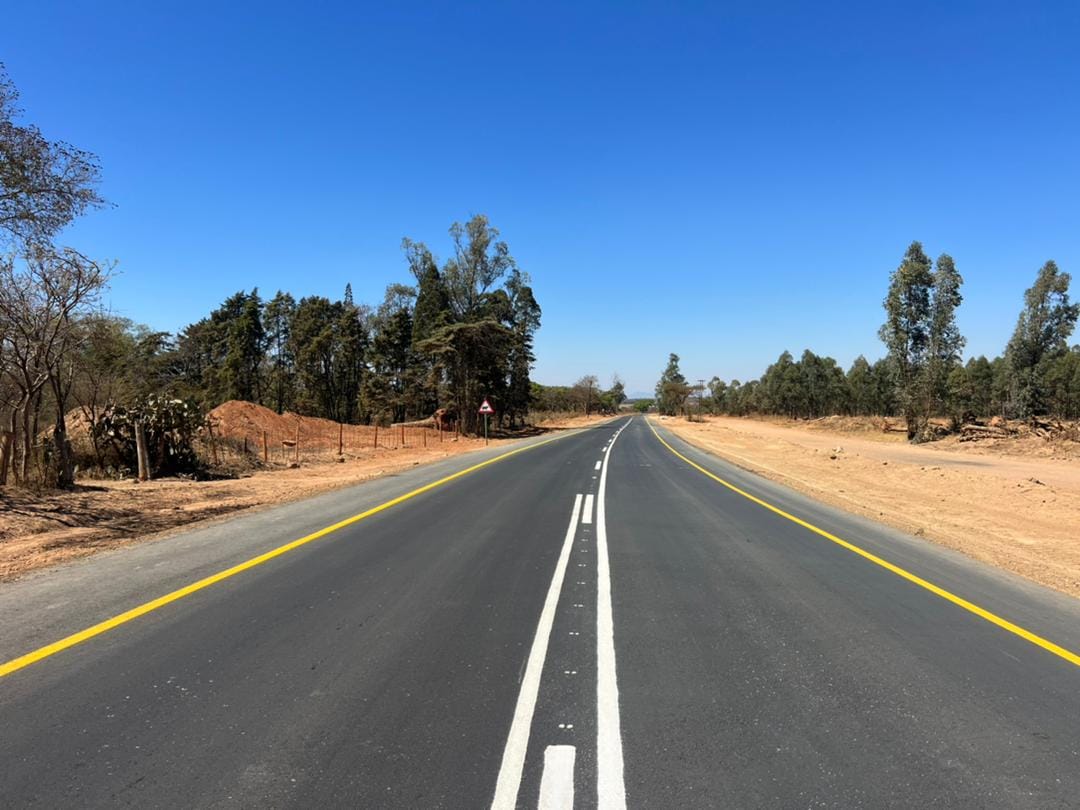
The project sits within a wider construction pipeline reshaping Zimbabwe’s eastern trade corridor, including a separate dry port under construction in Mutare and a Christmas Pass bypass road intended to route freight traffic away from the town centre. Government officials have pointed to the recently completed Beitbridge border upgrade as a template for execution, where phased construction — including a bus terminal completed under Phase 2 — delivered measurable cuts to crossing times without halting operations.
With site clearance advanced and staging infrastructure rising, attention now turns to the main construction contracts: foundations, terminal buildings and the technology installations that will define Forbes as a modern, high-throughput border facility on the Beira Corridor.