
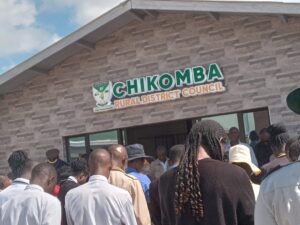
The Chikomba Rural District Council has officially released its updated property layout structure, signaling a major push toward infrastructural expansion and structured urbanization across the district. The comprehensive pricing and sizing framework targets a diverse range of developers, offering both residential and commercial allocations across prime areas including Chivhu Township, Sadza Growth Point, Nharira, Masasa, Hokonya, and several emerging rural business centers. This initiative is expected to stimulate localized economic growth and streamline land delivery under the council’s modern urban planning mandate.
Under the new strategic framework, the council is offering varying land sizes to accommodate everything from high-density residential properties to expansive commercial enterprises. In Chivhu Township, which serves as the administrative and economic hub of the district, prime residential and commercial stands are being opened up to attract significant corporate investment and private housing developers. By delineating clear zoning boundaries and standardizing sizes up to 1,500 square meters, the local authority aims to eliminate informal settlements while giving investors long-term security in the built environment.
Simultaneously, the council is expanding its footprint outside Chivhu by aggressively developing key growth points such as Sadza, Nharira, Masasa, and Hokonya. These areas are being positioned as crucial agro-industrial links, where businesses can set up operations closer to rural primary producers. The inclusion of specialized pricing structures for smaller business centers across the district ensures that local small-to-medium enterprises (SMEs) can also transition from informal trading into formal, permanent brick-and-mortar structures with legal tenure.
To maintain administrative integrity and ensure that only serious developers are allocated land, the local authority has instituted a standardized multi-step vetting process. Prospective buyers are required to navigate mandatory application and interview procedures, with specialized assessment panels established for heavy commercial and industrial requests.
The vetting protocols are designed to ensure that allocated plots are developed within specified timeframes, thereby preventing land speculation and ensuring continuous infrastructural progress. Through this coordinated land distribution drive, Chikomba Rural District Council is laying the physical and legal foundations necessary to transform the region into a highly competitive and fully integrated economic corridor.