As Zimbabwe grapples with rising construction costs, deforestation, and the need for climate-resilient housing, industry voices are increasingly pointing to bamboo as an underused but promising structural material for the country’s building sector.
Bamboo grows abundantly across parts of Zimbabwe and the wider Southern African region, yet it remains largely associated with fencing, scaffolding, and informal construction rather than permanent housing or commercial buildings. Architects and engineers working in sustainable design argue that this perception, rather than any inherent limitation of the material, is the main barrier to wider adoption.
Proponents note that bamboo’s strength-to-weight ratio rivals that of steel in certain applications, and its rapid growth cycle — reaching maturity in three to five years compared to decades for hardwood timber — makes it a far more renewable resource. For a country facing both housing shortages and pressure on forestry reserves, advocates argue bamboo construction could ease demand for scarce timber while offering a lower-cost, faster-to-build alternative for both rural and urban housing.
The case for bamboo also rests on its performance in disaster-prone conditions. Zimbabwe periodically faces cyclones and flooding, particularly in eastern and southern regions, and bamboo’s flexibility allows structures to absorb stress during high winds and seismic activity better than rigid, brittle materials in some configurations. Engineers stress, however, that this potential can only be realized through proper design — combining bamboo with treatments, joinery techniques, and complementary materials to meet modern structural and building-code standards, rather than relying on traditional, informal construction methods alone.
A recurring theme among sustainable-building advocates is the need for standardized design codes and local value chains before bamboo construction can move from niche projects to mainstream use. Without formal engineering guidelines, insurers, lenders, and regulators remain hesitant to treat bamboo structures on par with conventional buildings, limiting their uptake in both private and public projects. Developing local processing, treatment, and construction expertise would also reduce reliance on imported materials and create employment within Zimbabwe’s construction and agricultural sectors.
Zimbabwean stakeholders following global developments in sustainable construction may find a useful reference point in the Philippines, where the Mindanao Bamboost Forum is set to convene on Aug. 7 at The Farm in Koronadal, South Cotabato. Organized by the Base Bahay Foundation together with the South Cotabato Bamboo Industry Development Council, the forum brings together architects, engineers, and policymakers for a day of discussions aimed at establishing standardized guidelines for bamboo-based, climate-resilient construction — precisely the kind of framework that industry voices in Zimbabwe say is still missing locally.
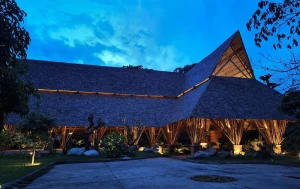
The forum’s organizers have pointed to large-scale bamboo landmarks, including a major pavilion recognized as one of the country’s biggest bamboo structures, as evidence that the material can support ambitious, large-format architecture rather than only small-scale or temporary builds. Forum leaders have also stressed that bamboo’s limitations are less about the material itself and more about the engineering and design choices made around it — an argument that mirrors what Zimbabwean advocates say needs to happen locally before bamboo can move beyond fencing and informal use.
For Zimbabwe, initiatives like the Bamboost Forum offer a possible template: a coordinated push involving government, industry bodies, and technical experts working together to build codified standards and a functioning local supply chain, rather than leaving individual builders to experiment without regulatory or engineering backing. Similar coordinated forums, adapted to Zimbabwe’s climate risks and building stock, could help translate international momentum around bamboo construction into locally viable projects — from community halls to affordable housing developments.
As the country continues to look for affordable, sustainable solutions to its housing backlog, interest in alternative building materials such as bamboo is likely to grow, particularly if paired with training programs, updated building regulations, and support from forestry and construction stakeholders. Whether bamboo moves from a promising concept to a mainstream building material in Zimbabwe will depend largely on whether these supporting systems are put in place in the years ahead.