
A reflection on hedges, lawns and the quiet comfort of home has struck a chord this week, with social media user zándā tōto (@zandatoto) sharing memories of growing up in Rochdale, Nyanga, and how that childhood landscape has resurfaced, decades later, in the design of a modern residential estate.
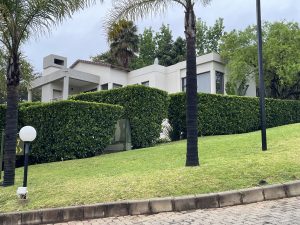
In the post, the writer describes a simple but powerful source of comfort: a neatly trimmed hedge and a well-kept lawn. Growing up in Rochdale, colloquially referred to as “kuma dale dale,” hedges rather than brick walls marked the boundaries between homes, a softer, greener alternative to the solid perimeter walls that have since become the norm across much of urban Zimbabwe. Childhood in that setting revolved around a shared open space known simply as The Green, where days were spent playing among neighbours in a landscape defined more by grass and shrubbery than by concrete and steel.
Now, years later, the writer lives at The Greens, a residential estate whose name and landscaped character appear to echo that early experience almost directly. Morning and evening garden strolls have become a small ritual, one the writer describes as reconnecting with a happy inner child and bringing a sense of peace.
The reflection speaks to a broader shift taking place in Zimbabwe’s residential property market, where an increasing number of developments are moving away from the high, solid boundary walls that have dominated urban housing for decades, particularly in response to security concerns, and toward more open, landscaped layouts that use hedging, greenery and shared open spaces to define boundaries instead. Estates built around this philosophy often market themselves on lifestyle appeal as much as security or investment value, positioning gardens, walking paths and communal green spaces as central features rather than afterthoughts.
For residents who grew up in smaller towns or rural settings where hedges, open lawns and communal green spaces were part of everyday life, this shift in residential design appears to offer more than aesthetic appeal. As this reflection illustrates, it can also provide an emotional return to a simpler, more open way of living, one increasingly hard to find in Zimbabwe’s more built-up urban centres.
As demand grows for residential developments that prioritise green, open design over traditional walled compounds, stories like this one offer a glimpse into why such estates resonate so strongly with buyers: not merely as property investments, but as spaces that quietly recreate the comfort and freedom of childhoods spent among hedges, lawns, and the shared green spaces that once defined home.
Image: @zandatoto