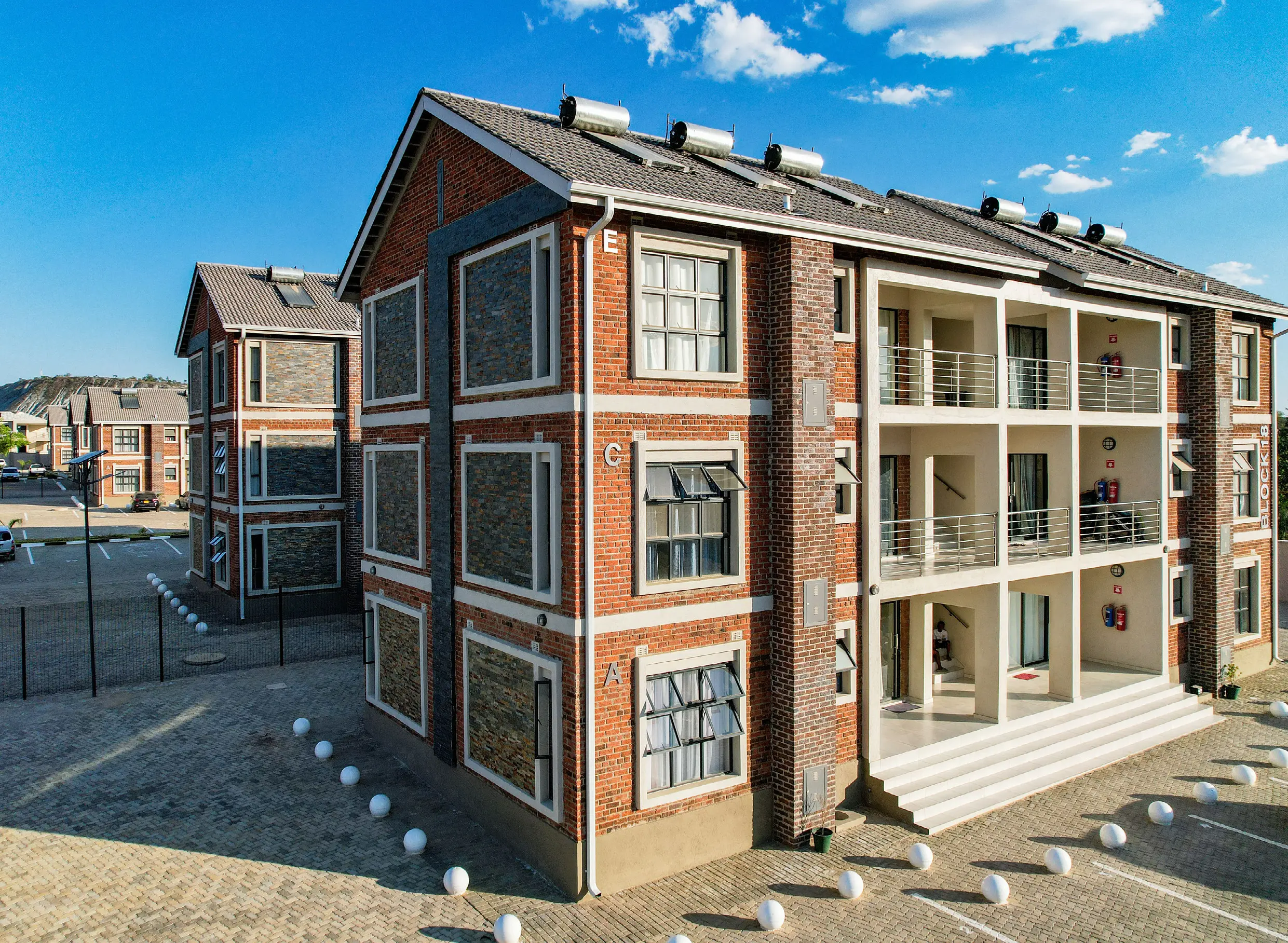


ZB Financial Holdings has secured a US$12 million line of credit from pan-African financier Shelter Afrique Development Bank to fund housing projects, in a deal that signals growing momentum in infrastructure-backed lending.
The facility comes at a time when demand for affordable housing continues to outstrip supply, with policymakers increasingly imploring financial institutions to help bridge housing funding gaps in line with the National Development Strategy 2 (NDS2) priorities.
Under the facility, US$8 million has already been disbursed, with the balance expected to support projects targeting both housing delivery and broader infrastructure development across Zimbabwe.
ZBFH said the funding would be channelled towards expanding access to affordable housing while simultaneously stimulating activity in construction and allied industries, sectors seen as critical multipliers for economic growth and job creation.
“At the global level, this initiative aligns with the United Nations Sustainable Development Goals, particularly Goal 11 on sustainable cities and communities.
“Our purpose, to improve lives through service, is realised here by building the foundations for sustainable growth and prosperity,” said Ms Rudo Manjengwa, executive head of retail and digital banking at ZBFH.
The transaction underscores a broader shift within Zimbabwe’s banking sector towards structured, impact driven financing, where capital deployment is increasingly tied to social outcomes such as housing delivery and urban renewal.
Ms Manjengwa said the facility goes beyond traditional lending metrics, positioning housing as a catalyst for social transformation.
“This facility is more than financing; it is about people. At ZBFH, our mission is to work hard every day to create happy people. By investing in housing and infrastructure, we are enabling families to find dignity in secure shelter, communities to thrive in stronger environments, and individuals to access opportunities that improve their lives,” she said.
Analysts note that Zimbabwe’s housing backlog, estimated to run into hundreds of thousands of units, presents both a structural challenge and a commercial opportunity for lenders capable of mobilising long-term capital at scale.
The partnership with Shelter Afrique, a development finance institution focused on housing and urban development, is seen as particularly significant given its ability to crowd in capital and de-risk large-scale projects.
Commenting on the agreement, Shelter Afrique Development Bank managing director Thierno-Habib Hann said the facility reflects a shared commitment to addressing systemic bottlenecks in the housing value chain.
“The facility to ZB Bank, with US$8 million already disbursed, is more than capital, it is our shared commitment to solve Zimbabwe’s housing challenges, through addressing both the supply and demand sides of the housing value chain, transform lives, and build lasting prosperity through affordable, accessible houses for Zimbabwean families,” he said.
The emphasis on both supply and demand is critical in a market where developers face high input costs and limited access to long-term funding, while prospective homeowners grapple with affordability constraints and limited mortgage availability.
Industry observers say facilities such as this could help unlock stalled projects and catalyse new developments, particularly if complemented by policy consistency and infrastructure support from government.
The deal also aligns with ZBFH’s Sustainability Standards Certification Initiative (SSCI), which aims to embed environmental, social and governance (ESG) principles into its financing model.
Mr Hann noted that the latest transaction demonstrates ZBFH’s commitment to translating sustainability frameworks into tangible outcomes.
“This latest development aligns with the framework set by ZBFH under the Sustainability Standards Certification Initiative (SSCI). ZBFH is indeed walking the talk,” he said.
For Zimbabwe, where infrastructure gaps remain a constraint on industrialisation and urban growth, the mobilisation of targeted credit lines marks a potentially important shift in how development finance is deployed.
Beyond housing delivery, the knock-on effects are expected to filter through to cement, steel, transport and labour markets, reinforcing the sector’s role as a key economic anchor.
As financial institutions increasingly align their lending strategies with national development priorities, the ZB-Shelter Afrique deal may offer a template for future partnerships aimed at unlocking capital for large-scale, socially impactful projects.
The success of the facility, for now, will hinge on execution, translating funding into completed housing units and functional infrastructure, in a market where delivery has often lagged ambition.