Where steel beams swing through the air and multi-level scaffolding towers over busy thoroughfares, the hierarchy of Personal Protective Equipment (PPE) is vast. From high-visibility vests to steel-toed boots, each piece serves a purpose, but none carries the symbolic or functional weight of the safety helmet. Often referred to as the “crown” of a builder’s armour, the industrial safety helmet remains the single most important barrier between a worker and a life-altering traumatic brain injury.
The engineering behind the modern construction helmet has evolved significantly from the crude leather or metal shells of the early twentieth century. Today’s head protection is a marvel of high-density polyethylene (HDPE) or advanced polycarbonate blends, designed not just to resist penetration, but to absorb and deflect the kinetic energy of a falling object.
The secret to its effectiveness lies in the internal suspension system—a web of straps that maintains a critical gap between the outer shell and the wearer’s skull. This “shock-absorption” zone ensures that when a rogue bolt or a stray tool falls from a height, the force is distributed across the entire surface area of the helmet rather than being concentrated on a single point of the cranium.
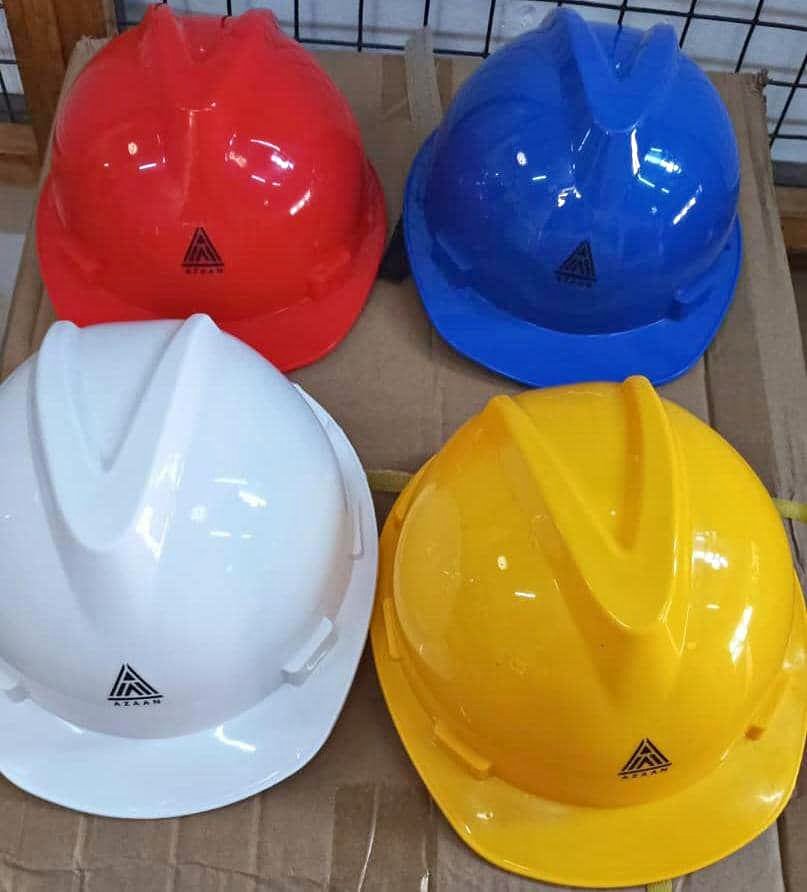
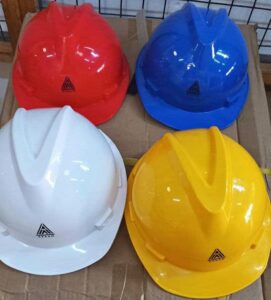
Beyond the obvious protection against falling debris, the helmet serves as a multi-functional platform for modern safety integration. In the current Zimbabwean construction boom, we are seeing the rise of “smart helmets” equipped with integrated eye protection, ear defenders for high-decibel environments, and even chin straps to ensure the gear remains secure during a fall. Furthermore, the colour-coding of helmets often acts as a silent language on-site, identifying first-aiders, site supervisors, and visitors at a glance, thereby streamlining communication and emergency response times in complex industrial settings.
However, the efficacy of this vital piece of armour is entirely dependent on a culture of rigorous maintenance and compliance. Exposure to harsh UV rays, extreme temperatures, and minor impacts can fatigue the plastic over time, leading to microscopic fractures that compromise structural integrity. Safety experts emphasize that a helmet is a “one-hit” piece of equipment; once it has sustained a significant impact, its defensive life is over.
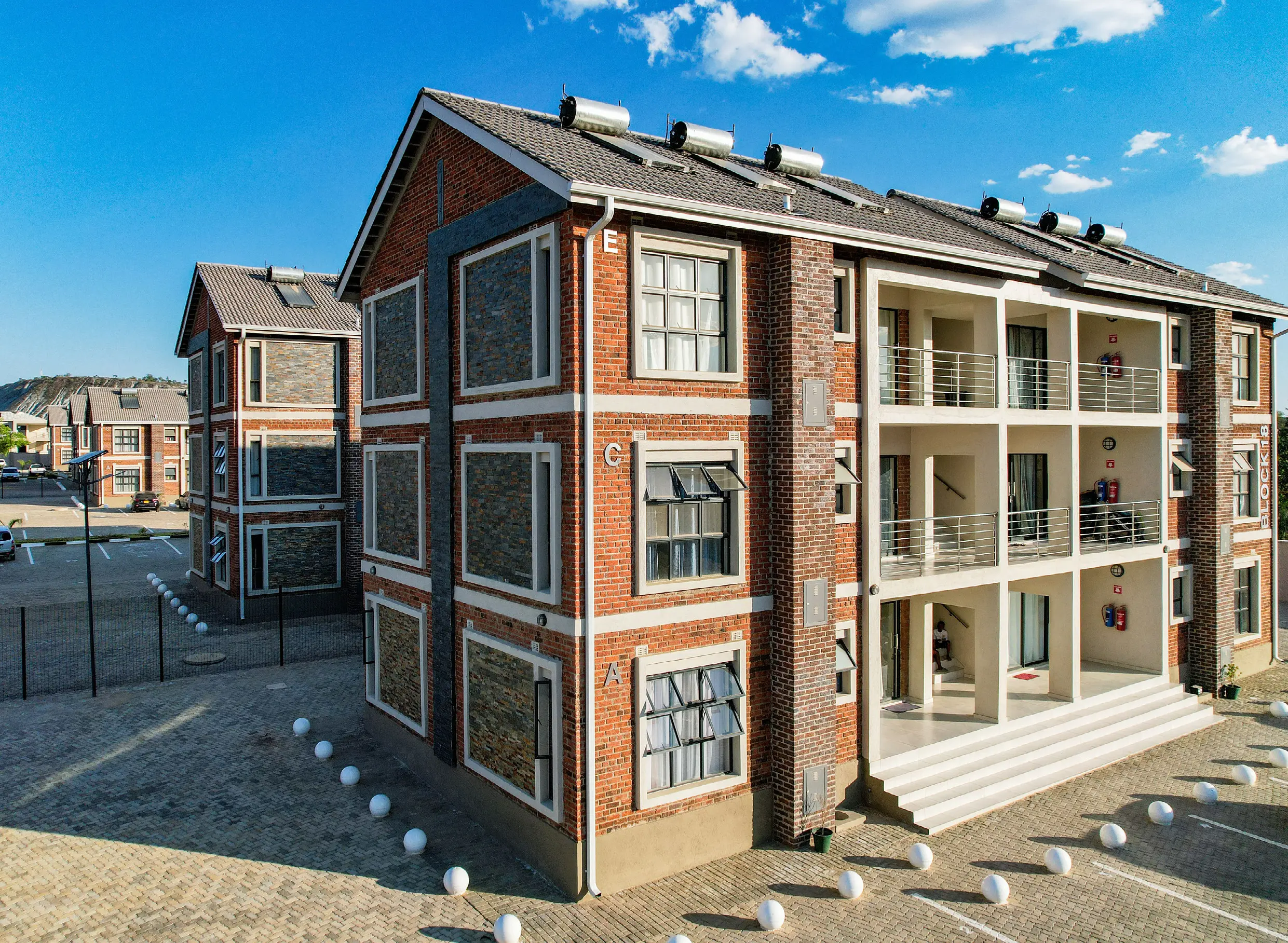
As contractors across the country continue to push the boundaries of architectural heights, the humble helmet stands as a reminder that in the world of construction, the most valuable asset on any site is the person beneath the hat. Protecting that asset begins with the non-negotiable discipline of strapping on the most essential piece of armour in the shed.