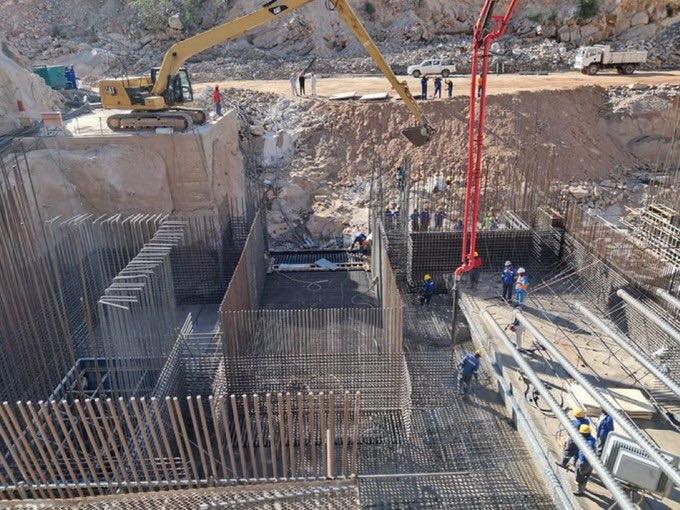


From the massive US$450 million rehabilitation of the Hwange Power Station to the strategic rollout of provincial asphalt plants, the spotlight has turned to the “financial engineers” behind the scenes: quantity surveyors.
Often referred to as the economists of the construction world, these professionals provide the critical cost-management framework that ensures national projects transition from visionary blueprints to tangible reality without succumbing to fiscal collapse. In an era where precision is paramount, the importance of quantity surveying in infrastructure development cannot be overstated.
The primary contribution of a quantity surveyor is the establishment of financial predictability in an inherently unpredictable industry. Infrastructure projects, particularly those involving public-private partnerships (PPPs) like the Rehabilitate-Operate-Transfer model seen at Hwange, involve complex risk profiles and long-term investment horizons.
Quantity surveyors act as the financial compass, conducting rigorous cost-benefit analyses and feasibility studies before a single brick is laid. By providing accurate estimates for materials, labour, and specialized technical audits, they allow stakeholders to set realistic budgets and secure the necessary capital to sustain momentum over multi-year schedules.
Beyond initial budgeting, quantity surveyors are the guardians of value for money. They manage the procurement process, ensuring that contracts—such as those for GIS mapping in conservation zones or heavy machinery for energy plants—are negotiated at competitive market rates.
During the construction phase, they monitor expenditure in real-time, validating progress against the “investment baseline” to prevent the cost overruns that historically plague large-scale developments. This financial oversight is vital for maintaining the trust of both government partners and private investors, ensuring that every dollar spent contributes directly to the project’s success.
Furthermore, quantity surveyors play a pivotal role in dispute resolution and contract administration. By clearly defining the scope of work and quantifying risks, they provide a legal and financial buffer that protects all parties involved. This is especially crucial in the built environment, where national associations rely on standardized professional goals to maintain industry integrity.
As Zimbabwe pushes toward its 2030 development goals, the quantity surveyor remains the essential gatekeeper of efficiency, ensuring that the nation’s infrastructure revolution is built on a foundation of fiscal responsibility and professional excellence.