
Aviation is often perceived as a complex web of logistics, technology, and strict regulations. However, to understand how Zimbabwe is positioning itself as a regional leader, it helps to view the industry through a familiar lens: the Road Transport System. By breaking down the roles of the various players, we can see how the nation is navigating toward its Vision 2030 goals.
In any functional transport system, you need a regulator, infrastructure, vehicles, and support services. In the Zimbabwean sky, these roles are clearly defined to ensure maximum specialization and safety under the National Development Strategy 2 (NDS2).
Think of the Civil Aviation Authority of Zimbabwe (CAAZ) as the “Traffic Police” and “Licensing Department” of the skies. Following the unbundling of the sector, CAAZ’s role has been streamlined to focus strictly on regulation and oversight. They ensure that every aircraft, pilot, and airport facility adheres to rigorous international safety standards. By maintaining compliance with global bodies, CAAZ ensures that Zimbabwe’s airspace remains a trusted and secure environment for international carriers.
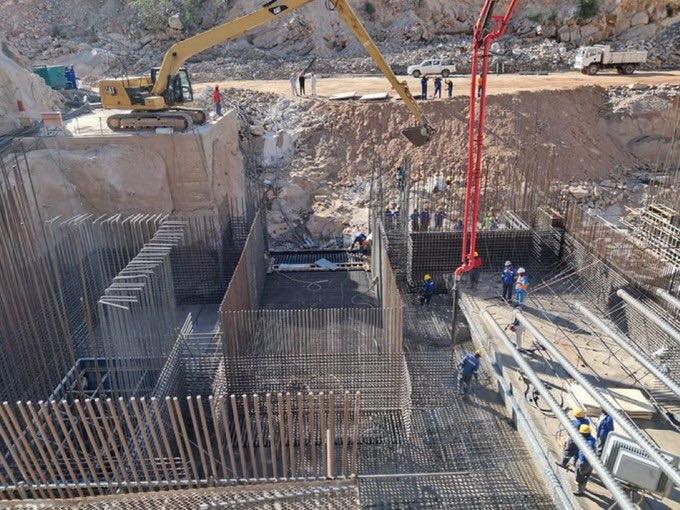
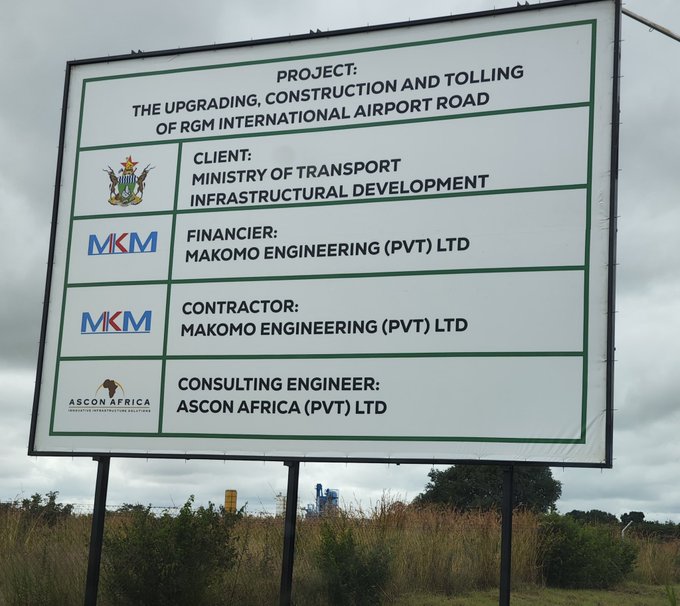
If CAAZ is the traffic police, the Airports Company of Zimbabwe (ACZ) is the “Road Authority.” They own and operate the infrastructure—the runways, the terminals, and the parking bays. Their vision goes beyond just providing a place for planes to land; they are focused on modernizing our airports into “Aerotropolises.” These are airport-centric economic hubs where business, hospitality, and logistics converge, creating a world-class first impression for visitors and investors alike.
The Airlines are the “buses and cars” of this system. Their primary focus is on connectivity and flight frequency. Whether it is the national carrier or international partners, these entities compete to provide the most efficient routes, bringing tourists to our wonders and taking our exports to the world.
Finally, no system works without a “Service Station” or “Pit Crew.” This is where Ground Handlers, such as National Handling Services (NHS) and Aviation Ground Services (AGS), come in. They are the engine of efficiency, managing everything from passenger check-ins and baggage handling to specialized cargo logistics. Their ability to turn around an aircraft quickly and safely is what determines the overall competitiveness of the airport.
By separating these roles, the government has ensured that each entity can master its specific domain. This specialized structure is the cornerstone of NDS2, designed to eliminate bottlenecks and foster a seamless travel experience. This synergy is not just about moving planes; it is about making Zimbabwe the regional choice for airport services by 2030.