

In the complex world of civil engineering and urban development, few structures are as critical yet as frequently overlooked as the retaining wall. As Zimbabwe continues to modernize its infrastructure under National Development Strategy 1, these rigid barriers have become indispensable.
A retaining wall is an engineered structure designed to resist the lateral pressure of soil, effectively holding back earth that would otherwise shift, slide, or collapse due to gravity and environmental forces. Through the maintenance of different ground elevations on either side, these walls allow engineers to reshape the natural landscape into safe, functional, and durable environments.
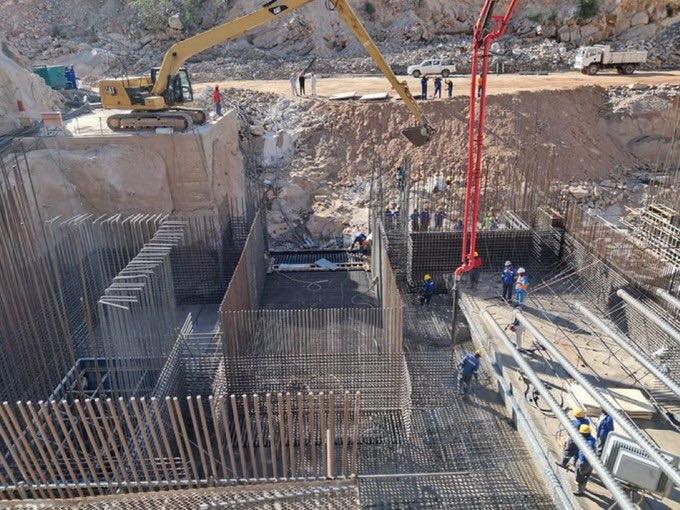
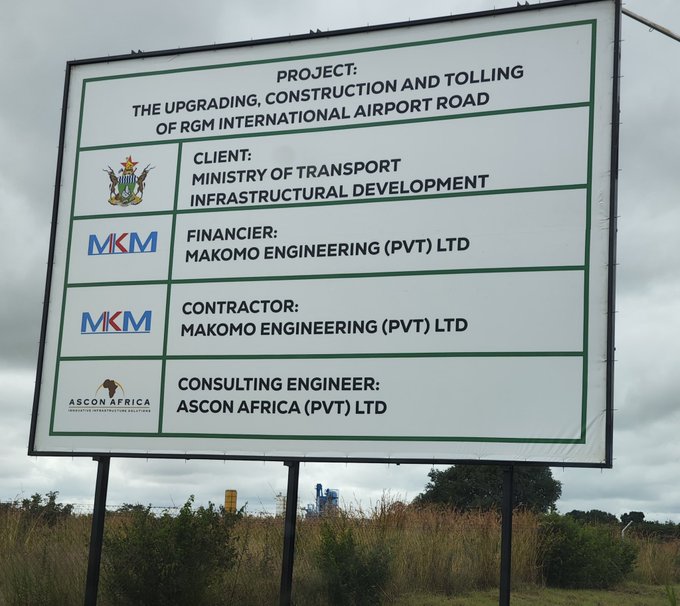
The primary function of a retaining wall is to provide structural stability in areas where the terrain’s natural slope is too steep for construction. In highway development, for instance, retaining walls are essential for creating embankments and bridge abutments, ensuring that roads remain level even when cutting through hilly regions. There are several specialized types utilized depending on the project’s needs:
- Gravity Walls: These rely on their sheer mass—often constructed from heavy stone or concrete—to counteract the pressure of the earth behind them.
- Cantilevered Walls: Made of reinforced concrete, these use an “L” or inverted “T” shaped footing to convert horizontal soil pressure into vertical pressure on the ground below.
- Anchored Walls: These are used for high-load situations, using deep cables or rods driven into the rock or soil behind the wall for additional strength.
Beyond simple earth retention, these structures are the frontline defence against soil erosion. In regions prone to heavy seasonal rains, uncontrolled water runoff can wash away topsoil, destabilize building foundations, and trigger dangerous mudslides. Retaining walls mitigate these risks by slowing water flow and incorporating sophisticated drainage systems, such as weep holes and perforated pipes. These features prevent the buildup of hydrostatic pressure—the leading cause of wall failure—by channelling water safely away from the structure.
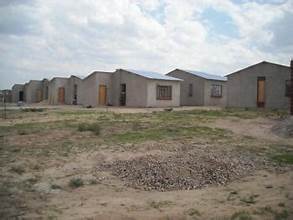
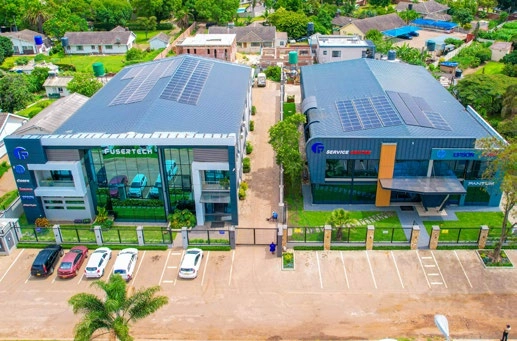
In urban centres where land is at a premium, retaining walls allow developers to “reclaim” unusable slopes, transforming them into level plots for housing, parking lots, or community gardens. This optimization of space is a key driver of economic value in modern real estate.
Furthermore, modern construction is increasingly turning to Mechanically Stabilized Earth (MSE) walls, which use geogrids and layers of reinforced soil. These are not only cost-effective and flexible in seismic zones but also have a lower environmental footprint than traditional massive concrete structures.
Ultimately, the retaining wall is more than just a barrier; it is a foundational technology that secures the integrity of the built environment for generations to come.