
When observing a massive motor grader at work on a Zimbabwean road project, the eye is naturally drawn to the roaring engine and the complex hydraulic arms. However, the true workhorse of the machine is the Grader Blade—also known as the mouldboard or cutting edge. While it may seem like a simple slab of reinforced steel, this component is the primary interface between the machine’s power and the earth’s resistance. Without a precision-engineered blade, even the most advanced grader is merely an expensive tractor.
The grader blade is responsible for the three “S’s” of road construction: spreading, scraping, and smoothing. In a country like Zimbabwe, where soil types range from soft Kalahari sands to stubborn, rocky “black cotton” soils, the quality of the blade’s steel is paramount. Modern blades are typically forged from high-carbon or boron steel, designed to withstand immense heat and friction.
A key aspect of their design is versatility. Grader blades are not static; they are designed to be tilted, angled, and shifted. This allows the operator to create the precise “crown” or slope of a road, ensuring that rainwater drains off the surface rather than pooling and creating potholes. In this context, the blade is less of a blunt instrument and more of a surgical tool for the landscape.
From an operational standpoint, the grader blade is a “wear part,” meaning it is designed to be replaced. However, the timing of that replacement is a critical factor in project profitability. A dull or warped blade increases “drag,” which forces the engine to work harder, significantly spiking fuel consumption. Furthermore, a worn blade puts undue stress on the circle and drawbar of the grader, leading to expensive mechanical failures.
Strategic operators prioritize high-quality, heat-treated blades because they offer a longer lifespan and cleaner cuts. By investing in superior cutting edges, contractors reduce their downtime and ensure that the final road surface meets the rigorous engineering standards required for heavy-duty transit.
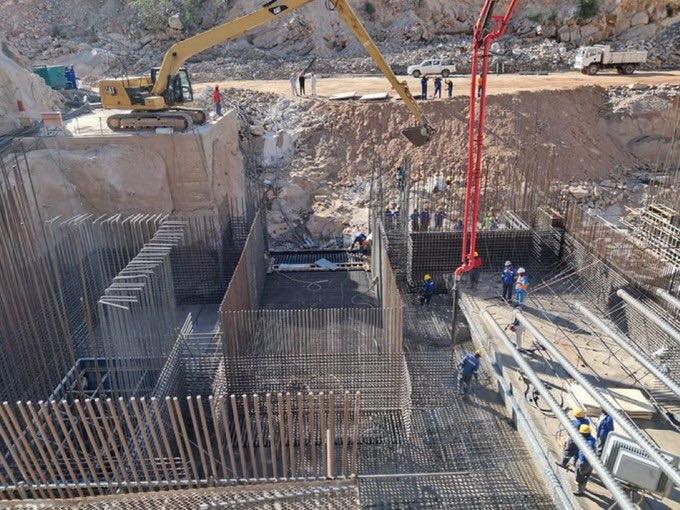
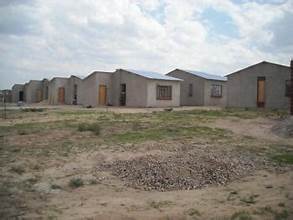
As Zimbabwe pushes forward with major infrastructure projects under National Development Strategy 1, the demand for reliable earthmoving components has never been higher. Whether it is levelling the foundation for a new housing complex or maintaining the rural feeder roads that connect farmers to markets, the grader blade remains the essential point of impact. It is the component that turns a rough path into a corridor for commerce, proving that in the world of heavy machinery, the smallest edge often does the heaviest lifting.