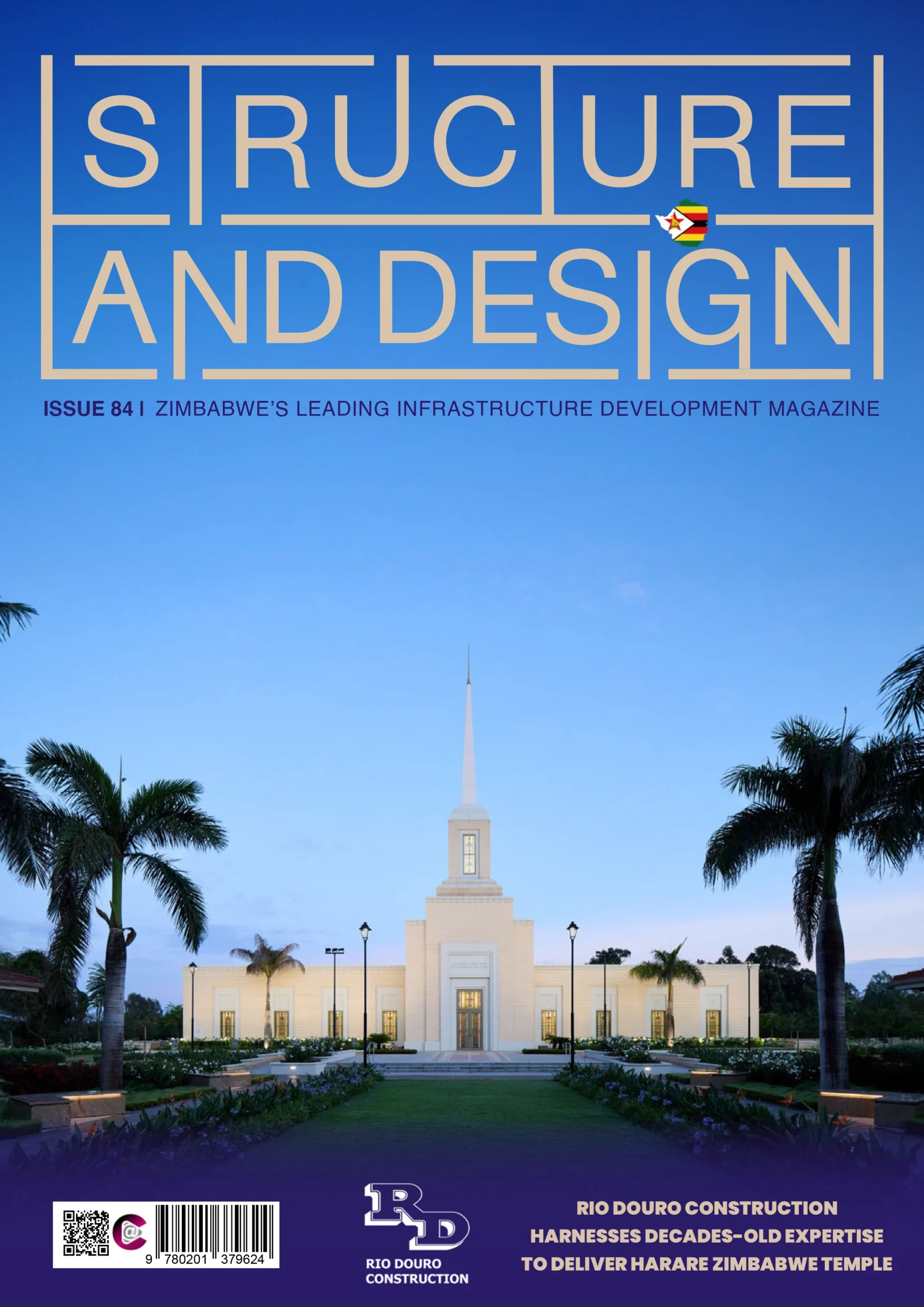

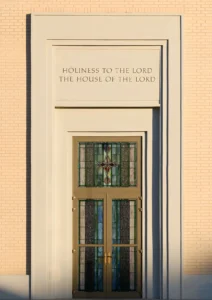
For nearly a decade, the anticipation surrounding 65 Enterprise Road has been building. What began as a solemn announcement on April 3, 2016, has finally culminated in the completion of a landmark that is as much an architectural masterpiece as it is a spiritual sanctuary. The Church of Jesus Christ of Latterday Saints has officially pulled back the curtain on the Harare Zimbabwe Temple, a project that blends global sacred tradition with the distinct cultural heritage of Zimbabwe.
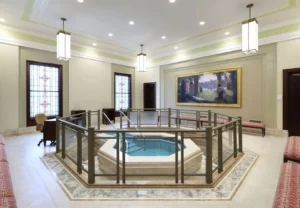
As the structure nears its formal dedication on March 1, 2026, the public is being invited to experience the interior during a special open house period from January 22 to February 7. For the local community, it is a rare opportunity to see inside a building that the faith considers a “House of the Lord,” a place of holiness and peace standing separate from the preoccupations of the world.
Faith and local identity
Stretching 31.5 meters into the Harare skyline, the temple is a testament to the collaboration between local expertise and international standards. Designed by Paton Taylor Architects and constructed by Rio Douro Construction, the building’s shell utilises cast-in-place concrete and block infill. However, it is the skin of the building that truly speaks to its location. Clad in Corobrik
Golden Wheat Travertine face brick: the warm, earthy tones of the structure are intended to resonate with the Zimbabwean landscape.
The design motifs are deeply rooted in the soil of Zimbabwe. The exterior architecture draws inspiration from the simple triangular forms found in indigenous Zimbabwean architecture and culture. This geometric precision is carried through to the exterior art glass, designed by Fanus Boshoff in coordination with the architects. The glass features a stylised floral motif of
The flame lily—Zimbabwe’s national flower—with colors pulled directly from native flora.
The 6.7-acre property is equally impressive. Landscaped by Uys & White, the grounds feature hardy, locally sourced plants designed for long-term succession. Visitors approaching the temple are greeted by the iconic sight of feather duster and jacaranda trees, ensuring that the entrance is both picturesque and memorable.
Interior excellence
Inside the 1,602-square-meter facility, the level of craftsmanship intensifies. The interior is designed not as a single great hall, but as a series of functional, sacred rooms including instruction rooms, sealing rooms, and a baptistry.
The flooring throughout the temple consists of highgrade porcelain tile paired with Sultan Beige stone baseboards and countertops sourced from Turkey. In the entry, a hand-sculpted rug serves as a botanical tribute to Harare, featuring a tapestry of local flowers: the flame lily, Aloe ballii, Yoruban bologi, African lettuce, terracotta gazania, Aspilia mossambicensis, and
Wentzel’s sugarbush.
The spiritual heart of the temple—the sealing and celestial rooms—features a French gold finish on the hardware, while the rest of the building utilizes a bronzebrass mix. Decorative painting on the walls and ceilings subtly echoes the geometric and diamond petal patterns found in the art glass, creating a cohesive aesthetic that feels both celestial and grounded in regional nature.
The temple also serves as a gallery of faith. Approximately 45 pieces of art are spread throughout the halls, focusing on the life of Jesus Christ and the Creation. These include original works by Paul Augustinus, such as “Sua Pan Grasslands Botswana” and “Dusty Elephants, Sapi River,” which bring the majesty of Southern African wildlife and landscapes into the sacred space.
The temple’s purpose
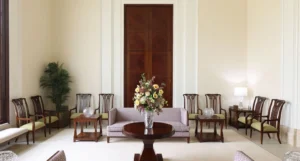
For those unfamiliar with the faith, it is important to distinguish the temple from the Church’s local meetinghouses or chapels. While chapels are open to everyone for Sunday worship, the temple is reserved for sacred ordinances. These include “sealings,” where couples and families are united for eternity, and baptisms performed on behalf of deceased ancestors—a practice the Church believes restores a New Testament tradition.
Inside the temple, the atmosphere is one of quiet contemplation. Members change into simple, modest white clothing. This practice is central to the temple experience, symbolizing purity and, perhaps more importantly, equality before God, regardless of a person’s worldly standing or wealth.
A positive impact
Beyond its spiritual significance, the temple is expected to be a boon for the Highlands area. Experience worldwide has demonstrated that Latter-day Saint temples positively impact property values. This is attributed to the Church’s commitment to using the finest materials and maintaining the landscaping to an immaculate standard. The temple is designed to complement the
neighbourhood. Unlike a stadium or a large cathedral that hosts thousands at once, the temple accommodates small groups in shifts throughout the day. This management ensures that traffic flow remains normal and the peaceful nature of the residential and commercial surroundings is preserved.
As the dedication date of March 1 approaches, the Harare Zimbabwe Temple stands ready to serve as a spiritual lighthouse for the region’s members and a stunning new addition to Harare’s architectural heritage. For the people of Zimbabwe, it is a monument for a modern vision of eternity.