

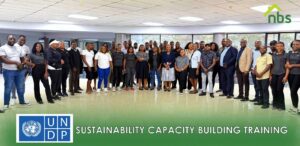
The National Building Society (NBS) of Zimbabwe has taken a significant step towards integrating sustainability into its core operations by participating in a comprehensive training program focused on the Sustainable Development Goals (SDGs) and Social and Environmental Standards. This initiative, conducted in collaboration with the United Nations Development Programme (UNDP), underscores NBS’s commitment to driving positive change and contributing to a more sustainable future for all stakeholders in Zimbabwe.
The training program equipped NBS staff with valuable knowledge and practical tools necessary to enhance the institution’s sustainability efforts and make a lasting impact. NBS’s focus on the SDGs, a globally recognized framework addressing pressing environmental, social, and economic challenges, helps in aligning its practices with international best practices and contributing to Zimbabwe’s broader sustainable development agenda.
The integration of Social and Environmental Standards into NBS’s operations signifies a proactive approach to managing potential risks and maximizing positive outcomes associated with its activities. This likely involves incorporating considerations such as environmental protection, social equity, and responsible governance into the bank’s lending practices, project financing, and overall business strategy.
The participation of a diverse group of NBS staff in the UNDP-led training, as evidenced in the accompanying image, highlights the institution’s commitment to embedding sustainability principles across different levels and departments. This widespread engagement is crucial for fostering a culture of sustainability within the organization and ensuring that these principles are effectively implemented in day-to-day operations.
NBS’s proactive stance on sustainability reflects a growing recognition within the financial sector in Zimbabwe and globally about the importance of responsible and ethical business practices. Financial institutions play a pivotal role in channeling investments towards sustainable projects and promoting environmentally and socially responsible development. By upskilling its staff on these critical issues, NBS is positioning itself as a leader in sustainable finance within the Zimbabwean context.
The UNDP’s involvement in this training program underscores the importance of multi-stakeholder collaboration in advancing the SDGs. The partnership between a leading financial institution like NBS and a key development agency like the UNDP demonstrates a shared commitment to building capacity and fostering sustainable development pathways.
NBS’s investment in training its staff on the SDGs and Social and Environmental Standards, in partnership with the UNDP, marks a significant step towards embedding sustainability at the heart of its operations. This initiative not only enhances the knowledge and skills of its workforce but also positions NBS as a responsible financial institution committed to contributing to a more sustainable and equitable future for Zimbabwe. This move is likely to have a positive ripple effect, encouraging other players in the financial sector to prioritize sustainability in their own strategies and operations.