
The skyline of a modern city is a testament to human ingenuity, but the unsung heroes of these architectural feats are the specialized machines that do the heavy lifting. In 2026, the construction industry has moved far beyond simple pulleys and shovels, employing a sophisticated fleet of vehicles designed for precision, power, and efficiency. From earthmoving giants to high-reaching aerial platforms, modern construction vehicles are the backbone of global infrastructure development.
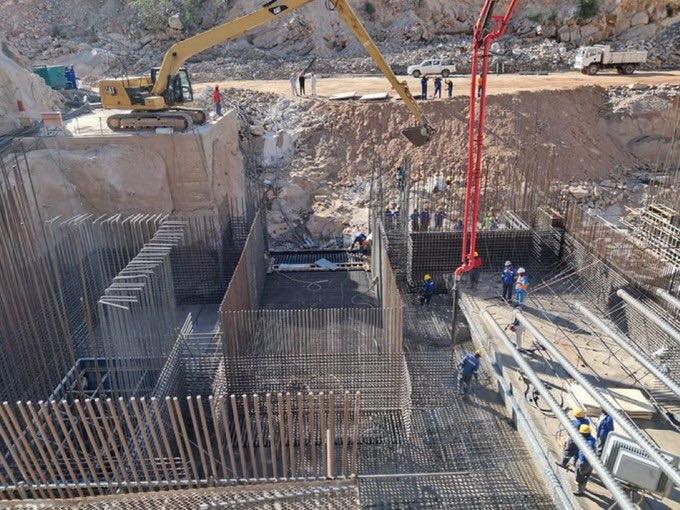
At the forefront of any project are the earthmovers. The excavator remains the industry’s most versatile workhorse, featuring a rotating cab and a powerful hydraulic arm. Modern excavators are now frequently equipped with GPS-guided systems and 360-degree cameras, allowing operators to dig foundations and trenches with millimetre precision. Accompanying them are bulldozers, the “muscle” of the site, which use massive front-mounted blades to clear land and level terrain.
For vertical challenges, cranes dominate the landscape. While tower cranes are a staple for high-rise skyscrapers, mobile and all-terrain cranes have become increasingly popular for their ability to navigate complex urban environments. These machines are often integrated with Building Information Modelling (BIM) software, ensuring that every steel beam is placed in perfect alignment with digital blueprints.
The logistics of a site depend heavily on transportation and material handling vehicles. Dump trucks, including articulated models for rough terrain, move thousands of tons of debris and raw materials daily. Meanwhile, backhoe loaders and skid steers provide the agility needed for smaller tasks in confined spaces. These compact machines are the “Swiss Army knives” of construction, capable of switching between buckets, breakers, and augers in minutes.
As we look toward the future, the industry is witnessing a “green revolution.” Electric and hybrid construction vehicles are no longer prototypes; they are active on-site, significantly reducing noise pollution and carbon emissions in residential areas. Furthermore, the rise of autonomous machinery—trucks and rollers that can operate without a driver—is beginning to reshape site safety and productivity.
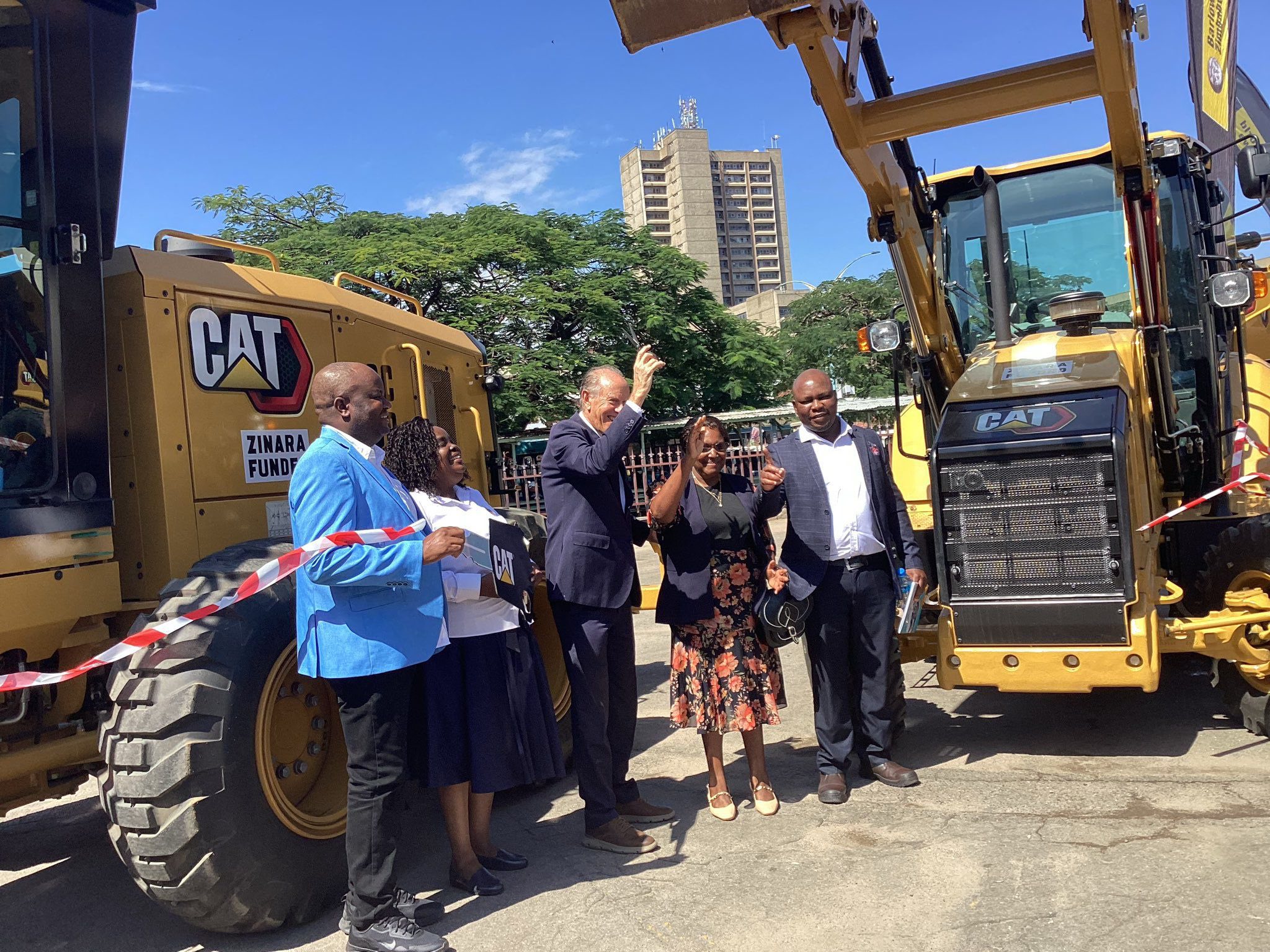
Whether it is a massive motor grader perfecting a new highway or a telehandler delivering pallets to a fourth-story window, the diversity of modern construction vehicles ensures that today’s ambitious engineering dreams can become tomorrow’s reality.