
The trajectory of the Zimbabwean real estate sector remains inextricably linked to the broader pillars of national economic management, specifically monetary policy, fiscal budget directives, and the overall level of spending within the economy. As we move through 2026, industry experts emphasize that property is not an isolated asset class but rather a sensitive barometer of the country’s financial health.
When the central bank adjusts interest rates or shifts its stance on currency stabilization, the ripple effects are felt immediately in property valuations and investment appetite. High-level monetary decisions dictate the cost of borrowing and the availability of liquidity, which in turn determines whether developers can break ground on new projects or if prospective homeowners can secure sustainable mortgages.
Consequently, understanding the movement of money through the national system is the first step in predicting the next cycle of growth or contraction in the built environment.
Parallel to these monetary shifts, significant tax changes are currently at play, directly influencing the feasibility of property transactions and long-term holding strategies. Recent adjustments to capital gains tax and stamp duties have forced a recalibration of investment models across the country. These legislative changes are designed to balance the national budget, yet they place a new premium on tax efficiency and professional valuation. Investors are increasingly looking for ways to navigate the “wealth tax” implications on high-value residential and commercial assets, which can significantly alter the net return on investment.
For real estate professionals, staying ahead of these fiscal policy changes is no longer optional; it is a critical component of risk management. The intersection of these new tax burdens with the existing cost of construction materials and labour creates a complex environment where only the most financially agile projects survive.
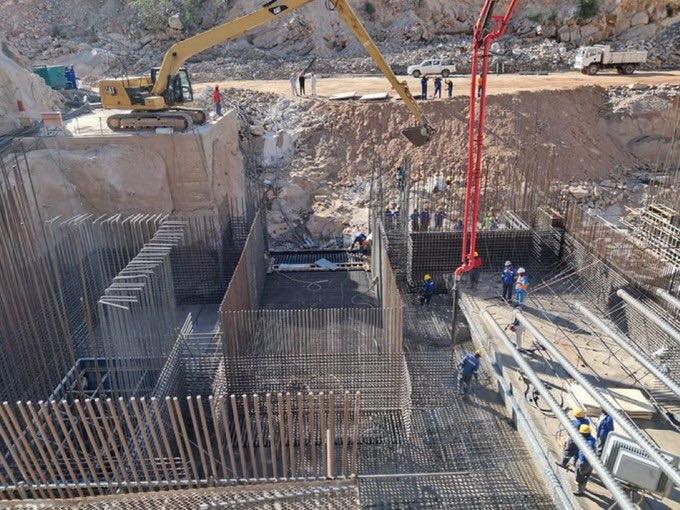
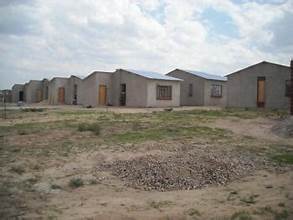
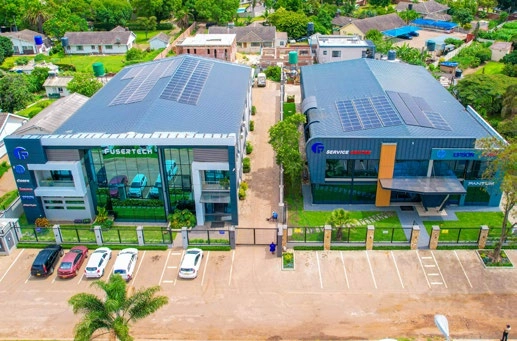
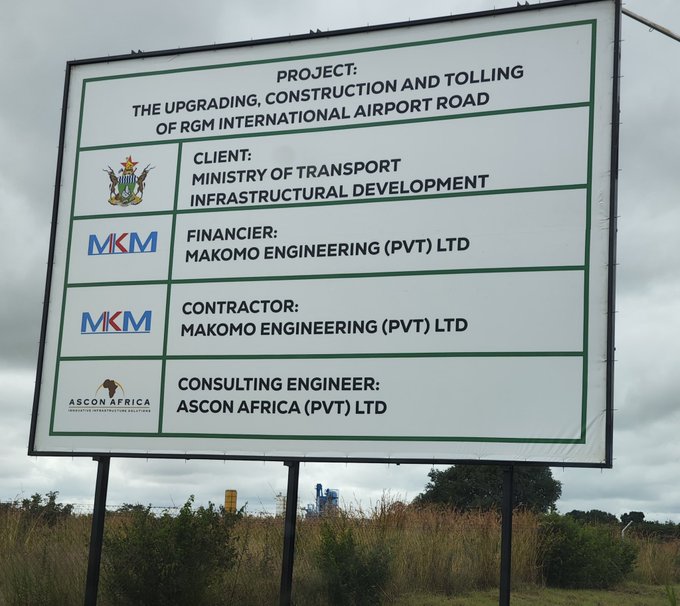
Ultimately, the volume of spend in the economy acts as the primary engine for property demand. When government infrastructure spending increases—as seen in the development of new arterial roads and utility expansions—it unlocks the latent value of land that was previously considered peripheral. This public expenditure encourages private sector confidence, leading to the creation of new commercial hubs and residential estates. However, if household spend is constrained by inflation or restrictive fiscal policies, the residential market often shifts toward rentals rather than outright acquisitions.
As Zimbabwe continues to modernize its infrastructure and refine its economic policies, the real estate sector will continue to serve as a mirror, reflecting the effectiveness of the nation’s budgetary discipline and its ability to foster a stable, spend-ready environment for both local and international investors.