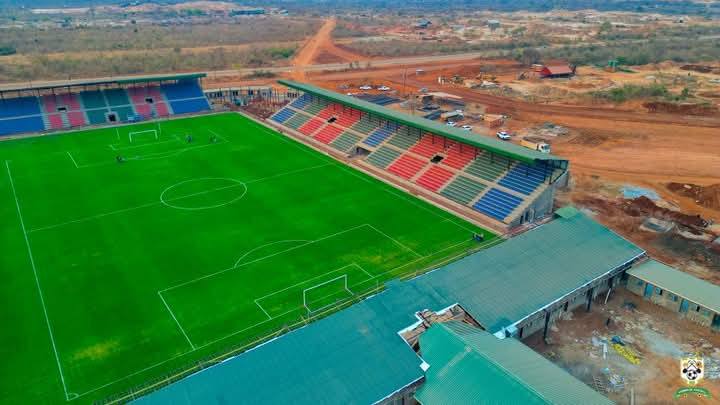

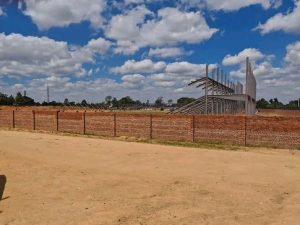
Construction is progressing rapidly at the Mabvuku Number One Stadium project in Mabvuku township, Harare, with the multi-sport complex taking shape at pace and on track for completion by the end of the year.
Scottland FC, the club spearheading the development, secured a 30-year lease for the Mabvuku Number One Grounds following a groundbreaking ceremony at the site. The club has partnered with Ecobank, which is financing the project. The initiative, led by Mabvuku legislator and businessman Hon. Scott Sakupwanya, is designed to complement government efforts to provide world-class recreational facilities and to uplift the community by transforming the historic Number One Grounds into a modern sporting facility for both football and other recreational activities.
The ground was once a breeding ground for football legends, including former Warriors goalkeeper Brenna Msiska, midfielder Joe “Kode” Mugabe, the Mugeyi brothers, and Marshall Munetsi, now playing in the English Premier League with Wolves, before it deteriorated into a dust bowl and a hotspot for criminal activity. The club aims to build a multi-purpose stadium alongside a swimming pool, cricket pitch, new basketball and tennis courts, and a clubhouse for Scottland FC, with the project being delivered in phases.
Scottland FC Vice-Chairperson Musa Gwasira has described the project as one for the community, aimed at providing a world-class facility where young talent can be nurtured, open to all including junior national teams, with plans extending beyond football to renovated basketball courts and a swimming pool. Residents have welcomed the development, with one noting that Hon. Sakupwanya had delivered on his promise, and praising the fact that locals are being hired on the project.
Harare Mayor Jacob Mafume has toured the site and praised the initiative, while using the visit to call on the private sector to partner with the municipality in upgrading stadia across the capital. Once complete, the facility is expected to give Scottland FC a permanent home ground after a period of playing on borrowed grounds, while offering the wider Mabvuku community renewed access to modern sporting and recreational infrastructure long absent from the area.