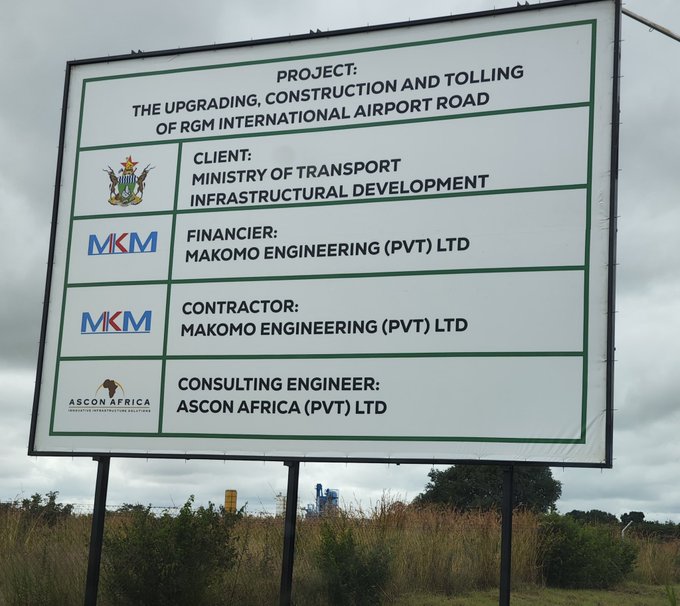
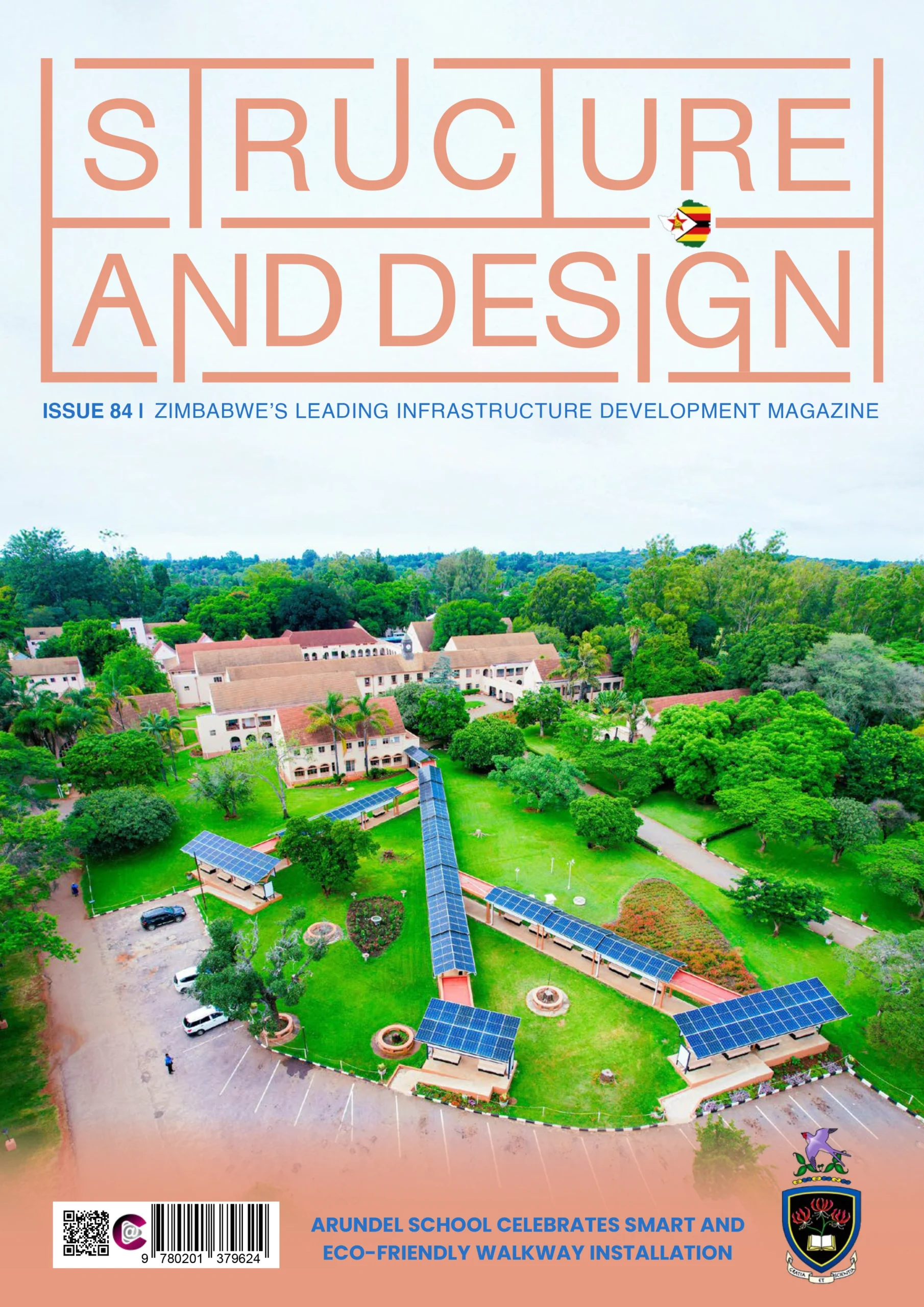

In the modern era of infrastructure development, laying tar is often viewed through the narrow lens of civil engineering—a simple combination of aggregate and bitumen. However, as Zimbabwe accelerates its road rehabilitation drive under the National Development Strategy 1 (NDS1) and the Emergency Road Rehabilitation Programme (ERRP2), it is becoming increasingly clear that a paved road is much more than a physical structure. It is a conduit for access, a catalyst for opportunity, and a foundation for national growth. Every kilometre of tar laid is a deliberate step toward a more connected, resilient, and prosperous society.
The transition from a gravel path to a tarred road triggers an immediate “multiplier effect” on local economies. For rural farmers, a paved road is the difference between profit and loss; it allows for the swift transportation of perishable produce to markets in urban centres, significantly reducing post-harvest losses and vehicle maintenance costs. In a broader sense, high-quality road networks are the arteries of trade, reducing the “infrastructure penalty” that can add up to 40% to the cost of commodities in landlocked regions. Through lowering these costs, Zimbabwe enhances its competitiveness within the African Continental Free Trade Area (AfCFTA), transforming the nation into a strategic logistics hub for Southern Africa.
Beyond commerce, the true value of a road is measured in human impact. “Access” in this context refers to the life-saving ability of an ambulance to reach a remote village in minutes rather than hours, or the ability of a student to travel safely to a regional school during the rainy season. Studies have shown that improved road connectivity is directly correlated with higher healthcare utilization and better educational outcomes. When a road is tarred, “transport poverty” is alleviated, ensuring that the most vulnerable populations are no longer isolated from the social services that facilitate upward mobility.
The current push for infrastructure is not just about quantity, but quality and longevity. Modern paving techniques now incorporate climate-resilient designs to withstand the increasingly frequent extreme weather events. When investing in durable, tarred surfaces today, the government is reducing the long-term fiscal burden of emergency repairs, allowing public funds to be redirected toward further innovation. As these roads stretch across the country, they do not just connect two geographic points; they link people to possibility, proving that a well-paved road is the shortest distance between a community and its dreams.