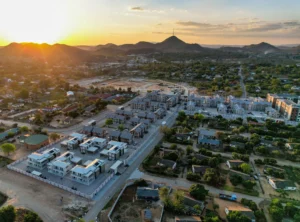


GOVERNMENT construction projects have made a substantial impact on the nation’s economy, significantly contributing to Zimbabwe’s Gross Domestic Product (GDP) while generating employment opportunities across the country, the Zimbabwe Building Contractors Association (ZBCA) has said.
As Government continues to implement policies that promote local suppliers in undertaking national construction projects, the move is expected to boost the industry’s contribution to mainstream economy with massive downstream opportunities.
By supporting local contractors, the Government has sought to stimulate economic development and improve the overall standards of living in Zimbabwe.
ZBCA, a non-profit national organisation that represents building contractors in various engineering fields, has said it believes that Government’s role in construction projects has come in handy in revitalising the sector and reducing the outflow of foreign currency.
ZBCA president, Engineer Christopher Mawere, said the construction industry in Zimbabwe has shown remarkable resilience and was now attracting attention from foreign investors.
Despite the challenges faced by the sector, it has demonstrated its ability to withstand adversity and adapt to changing circumstances, he added.
“Most notably, the construction industry has played a vital role in job creation, providing employment opportunities for many who were previously unemployed.
“This has in turn contributed significantly to the country’s Gross Domestic Product (GDP). Moreover, Zimbabwe’s reputation as a tourist destination has suffered due to negative publicity surrounding the state of our infrastructure.
“However, the Government’s projects have brought about remarkable transformations, making Zimbabwe a more attractive destination for visitors and boosting our tourism sector,” said Eng Mawere.
He made reference to the significant impact of infrastructure development on aviation, citing the expansion of Robert Mugabe International Airport and Joshua Mqabuko International Airport, as well as the ongoing road rehabilitation projects.
“The influx of tourists is a significant contributor to socio-economic growth. Furthermore, the Government’s collaboration with the private sector through Public-Private Partnerships (PPPs) has led to a surge in infrastructure development, resulting in a notable increase in cement demand within the country,” said Eng Mawere.
The modernisation and rehabilitation of infrastructure in Zimbabwe, he added, has led to the increased use of cement within the country resulting in significant upsurge in cement consumption, as the country’s construction sector experiences booming effect.
“The expansion of Units 7 and 8 at Hwange Power Station, the construction and rehabilitation of major roads in Zimbabwe is also a Government initiative that has benefited the cement industry,” he said.
Eng Mawere also commended the Government for its drive to provide decent accommodation and places of trade to citizens, which has increased the demand for cement in the country.
“Most of these projects are big projects that demand more usage of cement prompting a shortage of cement. As a result, producers want to produce more, capitalising on the demand of the market the sales increase,” he said.
Eng Mawere said the cement industry growth dovetails well with the country’s vision of an empowered prosperous upper-middle-income status by 2030.
“This then increases the demand for cement propelling producers to modernise and expand their production to suit the demand of the country.”