
Simanga Madhlabuta, a prominent Zimbabwean entrepreneur and property developer, has taken the responsibility to teach through a post on X that shed light on the complexities of building foundations on expansive clay soil. This insightful post offers valuable lessons for anyone involved in construction, particularly those working in regions with similar soil conditions.
Expansive clay soil poses a significant challenge for builders due to its unique properties. This type of soil exhibits high plasticity, meaning it can expand significantly when wet and contract during dry periods. This constant volume change can lead to severe foundation problems, including cracking, shifting, and settling of structures.
“Expansive clay soil present unique and challenging conditions for building foundations. The nature of clay soil, with its high plasticity, means it can expand significantly when wet and shrink during dry conditions. This constant change in volume can lead to severe clay foundation problems, including cracking, shifting, & settling of the structure,” said Simanga Madhlabuta in the post.
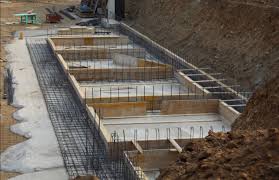
To mitigate these risks, careful consideration must be given to the design and construction of foundations. One effective approach is to employ deep foundations, such as piers or pilings, which anchor the structure deep enough to avoid the impact of swelling soil.
Alternatively, flexible foundation designs can be implemented to accommodate soil movement without compromising the integrity of the building.
Reinforcing materials, like steel, can be incorporated into concrete foundations to enhance their resistance to the stresses caused by
swelling soils. Carefully selecting and implementing appropriate foundation techniques, ensures structures with long-term stability and durability when they are built on expansive clay soil.
Madhlabuta’s post serves as a reminder of the importance of understanding soil conditions and adopting suitable foundation solutions.
It is interesting to note that he is sharing expertise to empower others to make informed decisions and build resilient structures that can withstand the challenges posed by expansive clay soils.
Text by Martin Chemhere