The deployment of Public-Private Partnerships (PPPs) has solidified its position as a defining characteristic of Zimbabwe’s modern infrastructure drive. While this operational model is
still gaining maturity within the national context, it has rapidly established itself as a potent mechanism for mobilizing substantial capital, transferring specialized expertise, and ensuring
the efficient delivery of large-scale public projects.
This collaboration, which pairs the government’s strategic focus on national needs, such as providing universal access to modern, affordable housing, with the private sector’s capacity for timely execution and innovation, is considered critical for accelerating economic transformation and achieving the national goal of an upper-middle-income society by 2030. It is in this environment that First Mutual Wealth Management, a subsidiary of First Mutual Holding Limited, has identified a strategic avenue for significant, impactful investment.
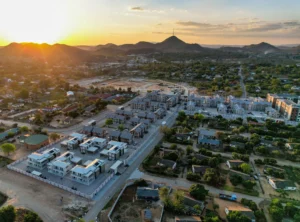
Transforming Zvishavane and the Midlands Province, A groundbreaking illustration of the success achieved through this model is the recently completed mixed-use housing development situated in the Midlands Province town of Zvishavane. This project, known as the Midlands Park, represents an investment totalling approximately US$37.7 million and is expected to redefine the town’s housing and educational infrastructure. This initiative is a core component of the national strategy to address the perennial housing deficit, directly contributing to the government’s target of delivering one million housing units across the country.
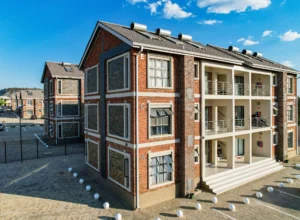
The development is a strategic collaboration between the Public Service Pension Fund (PSPF) and First Mutual Wealth Management. The project structure effectively leveraged public funds, with the Public Service Pension Fund providing the majority of the capital, accounting for approximately 97% of the investment.
Other shareholders included subsidiaries of First Mutual Holdings Limited. This arrangement ensured that the development was steered by professional management and built to high commercial standards, showcasing the PPP model in achieving its full potential. Scale and scope of accommodation The comprehensive development scheme is designed to accommodate a large segment of the population, providing shelter for over 1,000 families and students.
The final development is slated to comprise a total of 156 modern residential flats and a 750-bed student accommodation facility, a significant scale that immediately addresses housing pressures in the area. Specifically, the residential component features 156 modern flats, which are strategically configured as two and three-bedroom high-class units.
This focus on multi-bedroom units reflects a commitment to providing quality family accommodation rather than just basic shelter. The student accommodation segment is equally critical, with modern apartments designed to support the growing tertiary education sector.
This duality ensures the investment addresses both general social housing requirements and the specific infrastructure needs of the academic community, echoing a similar successful partnership model previously deployed for a student housing project in Chinhoyi targeting Chinhoyi University of Technology students in the Mashonaland West Province.
Over 700 people were directly employed during construction, while thousands more found work in downstream industries. Youth made up to 72% of the labour force, women 16%, and 81% of the workers came from Zvishavane itself.
Architectural and technical specifications
The design and construction of the Midlands Park represent a substantial aesthetic and structural leap for the region. The overall development consists of mixed-use buildings, incorporating lower-density duplex cluster houses and multiple-storey apartment blocks, ranging from three- to four-storey structures.
The project was structured in two distinct development phases. In the initial phase, six duplex flats were completed, along with 20 blocks of double and triple-storey flats, demonstrating rapid construction progress. The larger apartment blocks feature a contemporary aesthetic, utilizing a combination of durable reddish-brown brick
cladding and lighter-colored plaster on the façades, often capped with dark-tiled or slate roofs. The second phase delivered 8 blocks of flats and four blocks students’ accommodation with a total capacity of over 750 students.
Technologically, the development is designed for modern living and resilience. Solar water heaters have been installed, indicating a commitment to energy efficiency and reduced operational costs.
The interiors of the residential units are finished to a high standard, featuring modern designs such as white/light grey tiled floors throughout, contemporary
kitchen layouts with sleek, handle-less cabinetry, and provisions for inverter/
backup power systems to ensure reliable electricity supply—a non-negotiable
feature in high-quality modern housing.
The communal areas and student residences also feature robust, low-maintenance specifications. Communal bathrooms utilize white-tiled walls and floors, equipped
with modern fixtures like wall-mounted toilets and stainless steel railings. Student accommodation is furnished with practical, dark grey metal furniture, ensuring durability and functionality for multiple occupants. The entire development is characterized by paved courtyards, structured parking areas, and robust security
fencing, creating a secure and ordered environment that significantly contrasts
with older, less organized residential areas. Each room accommodates two to three students and is equipped with smart biometric locks for enhanced security.

Propelling the economy
The initiative is recognized as a vital economic catalyst. The significant level of sustained investment has visibly accelerated the developmental pace in Zvishavane and the Midlands Province as a whole, setting a new benchmark for infrastructure quality.
Senior government representatives have affirmed that this commitment to leveraging partnerships is a non-stop engine for economic transformation. Through addressing critical deficits in modern housing and student accommodation, the project not only
improves the quality of life for thousands of citizens but also contributes to the
local economy’s growth and ensures the continuity of public service and education
operations.
First Mutual Wealth Management’s successful implementation of the Midlands Park Project solidifies the position of PPPs as the sustainable model for delivering essential services and driving the country towards its national vision.