

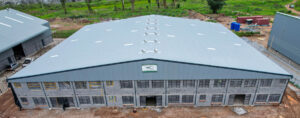
Coastal Construction, a leading Zimbabwean construction firm, has further solidified its reputation for exceptional building projects with the successful completion of a warehouse in Pomona, Borrowdale, Harare. This project exemplifies the company’s comprehensive expertise, seamlessly integrating earthworks, foundation construction, precise brickwork, and effective project management to deliver a high-quality, efficient structure.
The project commenced with meticulous site preparation. Bulldozers, graders, and 15-ton roller compactors were deployed to achieve the desired ground levels. A key element was the cut and fill operation, strategically relocating material from higher to lower areas. This balanced approach minimized the need for imported fill, resulting in cost savings and efficient resource utilization.
Coastal Construction also prioritized soil compaction and erosion control, adapting their methods to the specific soil characteristics of the site. “Fortunately, the earthworks were done during the dry season, so no erosion protection was required. However, a toe of 1.5 meters outside of the specified dimensions of the footprint of the building is usually recommended for machine working space and erosion protection,” explained Rich Collyer, Managing Director.
Formwork selection and implementation were crucial for constructing the warehouse’s foundations, columns, beams, and slabs. Stub columns and beams were shuttered using 19mm plywood with 76mm x 50mm timber backing, while the deck was formed with a permanent steel shutter.
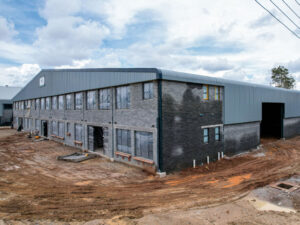
Precision was paramount in formwork design and construction, ensuring accurate dimensions, alignment, and stability during concrete pouring. The company’s team of skilled tradesmen and engineers, overseen by experienced supervisors, maintained rigorous quality control throughout this stage. Release agents facilitated formwork removal, resulting in the desired concrete finish. The removed shutters were then cleaned, oiled, and stored for future use.
Substructure foundation construction involved a series of carefully executed steps, from excavation to concrete pouring and curing. Single pad footings, comprising a wider base footing and a stub column extending to the DPC level, were selected for this project. Reinforced rebar, designed by structural engineers, and a specified concrete grade ensured structural integrity. The poured concrete was cured for 3-7 days to achieve the required strength. The water table’s position well below the foundations mitigated concerns about groundwater and aggressive soil conditions. “There are sub-surface drains which may be installed just below foundation level to stop any ground water rising up to the foundations,” Collyer added, noting their use in other projects.
Load-bearing common bricks, manufactured to specified strength standards, were used for the substructure brickwork, extending from the footings to the DPC level. A standard 4:1 mortar mix, prepared with high-quality pit sand sourced from reliable suppliers, was employed. Motorized mixers ensured consistent and strong mortar, with optimal water content. Brickwork was laid with meticulous attention to alignment, plumbness, and levelness, especially for load-bearing walls. Laser and dumpy levels guided the bricklayers, with constant plumbness checks conducted by supervisors.
Effective project management was essential throughout the early construction phases. Coastal Construction utilized a priced bill of quantities (BOQ) as the project’s foundation. The site management team and quantity surveyor diligently monitored material and labor resources to adhere to the budget.
A program of work facilitated project progress tracking, detailed planning, and cash flow management. “Construction was done using advanced project management software or tools to track progress, manage risks, and ensure effective communication among stakeholders. With various construction software programs on offer in the market, we use the more common MS Project. This program is familiar with most professionals in the industry and is user-friendly for new beginners and clients who are not familiar with the construction process,” said the MD.
Collyer acknowledged the inevitability of unforeseen circumstances, but emphasized the importance of mitigation through planning and experience. “Having experienced staff helps as they have the maturity and experience to deal with the most delays and disruptions faced by any project.” He cited weather delays as a common challenge, explaining the company’s strategy of shifting focus to internal tasks when external work is hindered.
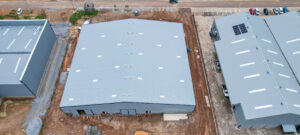
All concrete was supplied by Premix Concrete. “They guarantee the required strengths are met,” Collyer stated. Independent laboratory testing of all delivered concrete, with results shared with the entire professional team, ensured transparency. Coastal Construction reported no issues with supply or quality. Stringent quality control tests, including slump and compression tests, were performed on-site.
“Slump tests are common and normal practice; our site supervisors know the procedures and correct handling of concrete once it arrives on site. A quality control and quality assurance checklist are carried out and signed off by the relevant signatories before concrete is allowed to be offloaded,” Collyer explained. Experienced steel fixers adhered to engineer schedules for rebar cutting, bending, and placement, subject to inspections.
The company leveraged its integrated expertise to streamline the construction process. “Using laser levels as opposed to dumpy levels helped to speed up the process of checking levels and setting out and were a lot more accurate as there is less room for human error. We cannot do away with the experience of seasoned staff who have been tried and tested and are still needed to operate the machines, verify and maintain standards,” Collyer noted.
Collyer concluded, “A complete team effort is required and paramount for a successful construction project to be completed. There are a lot of behind-the-scenes activities that go on which include office administration staff, supportive directors and senior management, which all form the team that is Coastal Construction.”