

By Martin Chemhere
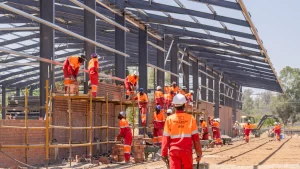
The construction industry, a vital engine of Zimbabwe’s economic growth, presents unique health and safety challenges. Construction sites are dynamic environments where workers face a range of potential hazards, from falls from heights and electrocution to exposure to hazardous materials and machinery. Prioritizing the health and safety of construction workers is not just a moral imperative; it’s crucial for productivity, project success, and the overall well-being of the workforce.
Effective health and safety management in construction requires a multi-pronged approach. Firstly, comprehensive risk assessments are essential to identify potential hazards on each site. These assessments should be conducted regularly and involve input from workers, supervisors, and safety professionals. Once hazards are identified, appropriate control measures must be implemented. This may include engineering controls, such as installing guardrails and safety nets, administrative controls, such as implementing safe work procedures and training programs, and personal protective equipment (PPE), such as hard hats, safety boots, and harnesses.
Training and education play a crucial role in fostering a safety-conscious culture. Workers need to be adequately trained on safe work practices, hazard recognition, and the proper use of PPE. Regular safety meetings and toolbox talks can reinforce safety messages and provide a platform for workers to raise concerns. Supervisors must be trained to enforce safety rules and provide guidance to workers. Creating a culture where safety is everyone’s responsibility is key to minimizing accidents and injuries.
Beyond physical hazards, construction workers also face health risks related to exposure to dust, chemicals, and noise. Implementing measures to control these exposures, such as using dust suppression techniques, providing respiratory protection, and limiting noise levels, is essential. Regular health surveillance programs can help identify and address potential health issues early on. Promoting a healthy lifestyle among construction workers, including encouraging regular breaks, providing access to clean water, and promoting awareness of occupational health risks, can contribute to a healthier workforce.
In Zimbabwe’s construction sector, where resources may be limited, collaboration between employers, workers, and regulatory bodies is crucial for improving health and safety outcomes. Government agencies play a vital role in setting and enforcing safety standards, conducting inspections, and providing guidance to the industry.
Industry associations can contribute by developing best practices, providing training programs, and promoting a culture of safety. Working together, stakeholders can create a safer and healthier work environment for all construction workers in Zimbabwe, ensuring a productive and sustainable future for the industry.