

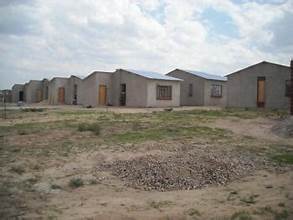
GOVERNMENT has reaffirmed its support for small-scale rental housing and described it as a critical pillar in improving access to shelter while calling for stronger regulation to protect both landlords and tenants.
Permanent Secretary in the Ministry of National Housing and Social Amenities, Engineer Theodius Chinyanga, said the growing focus on rental housing reflected realities on the ground where individual efforts were driving housing delivery.
In a speech read on his behalf by chief director for Estates Development and Maintenance Ms Kudzai Rimai, at the Understanding and Supporting Small-Scale Rental Housing in Zimbabwe workshop held in Harare on Monday, Eng Chinyanga said: “The Ministry fully supports rental housing provision regardless of who produces or delivers. Individual efforts have proven to be the major drivers of access to shelter in the country.”
Eng Chinyanga said housing remains a constitutional right.
“Housing is a basic human right, hence, its access is non-negotiable. The Constitution of Zimbabwe Amendment No.20 (2013) guides that Government and all its agencies must do everything, resources permitting, to ensure that every citizen has access to shelter,” he said.
Eng Chinyanga said small-scale rental housing plays a key role in urban areas where demand continues to outstrip supply.
“Small-scale rental housing is the backbone of access to housing, particularly in our urban areas,” he said.
He warned against unregulated developments and said property extensions must comply with building standards.
“Unplanned and unsanctioned outbuildings are not permitted. Local authorities are meant to enforce development controls,” he said.
Engineer Chinyanga said the Government was reviewing building by-laws to establish a National Building Code and plans to decentralise Rent Boards beyond Harare Metropolitan and Midlands provinces.
Meanwhile, University of Zimbabwe academic Dr Charles Chavunduka said housing remains a top priority under the National Development Strategy 2.
“Property rights speak directly to rental housing and income schemes. This issue is very fundamental,” he said.
Dr Chavunduka said there was a mismatch between regulations and realities, with multiple households often occupying single properties and called for densification strategies.
University of the Free State academic Professor Abraham Matamanda said the sector has been under-researched despite its growing importance.
“It has been neglected by research and policy, but more attention is now coming,” he said.
Lesotho’s director of National Housing, Ms Kabelo Lethunya, said complex regulatory systems discourage compliance.
“People are not aware of the standards and even those who are aware avoid them because the processes are lengthy and costly,” she said urging authorities to simplify and digitalise approval systems.